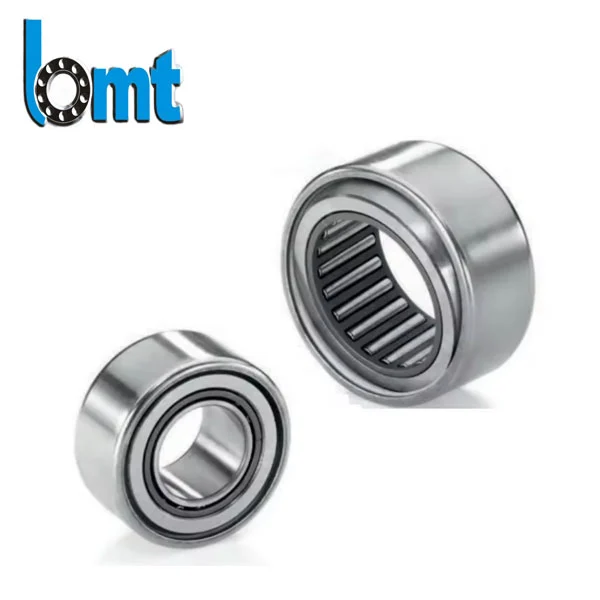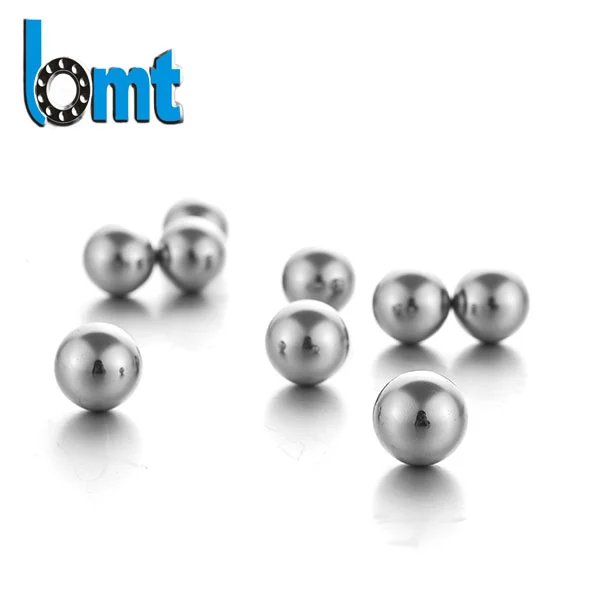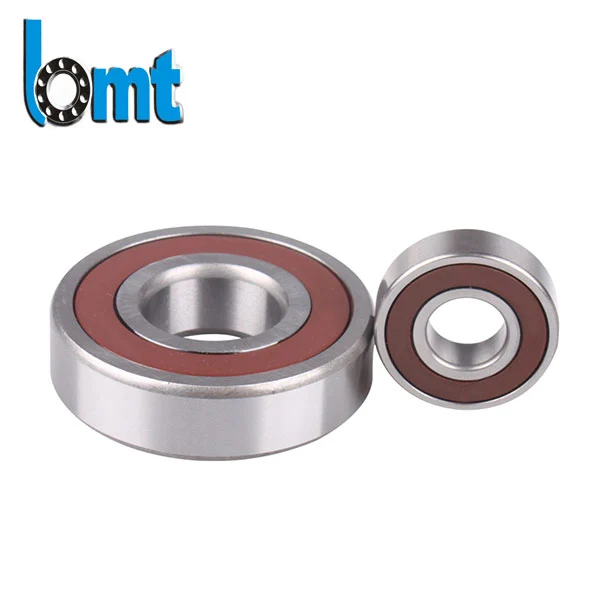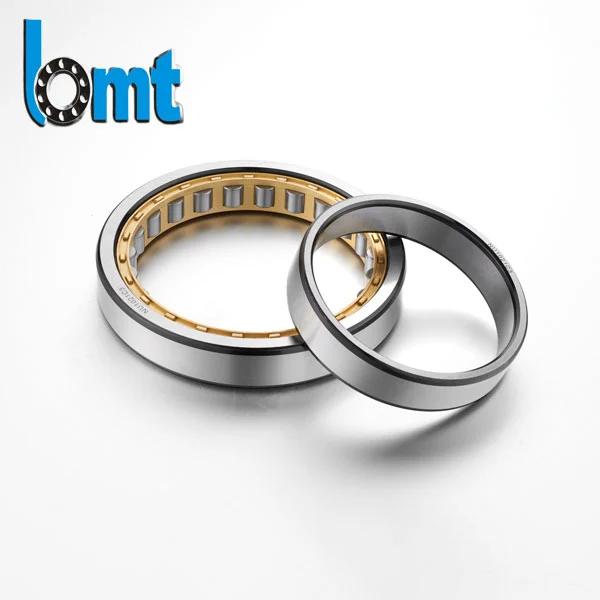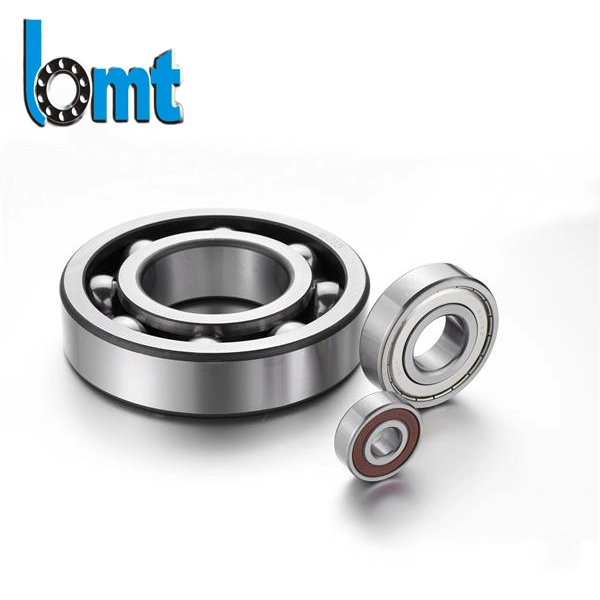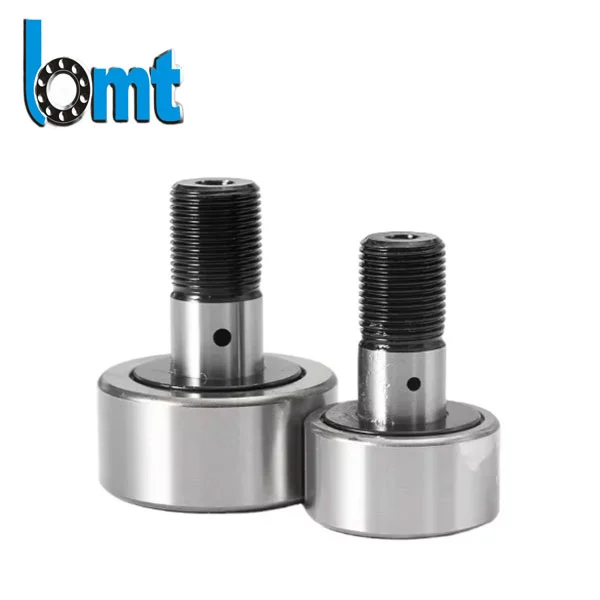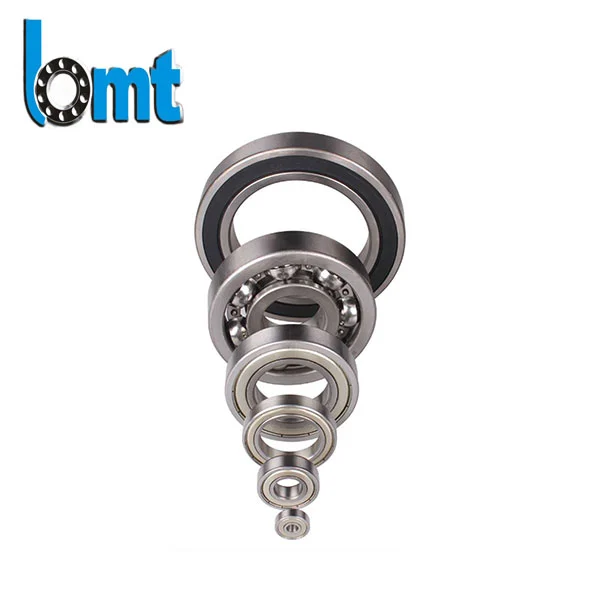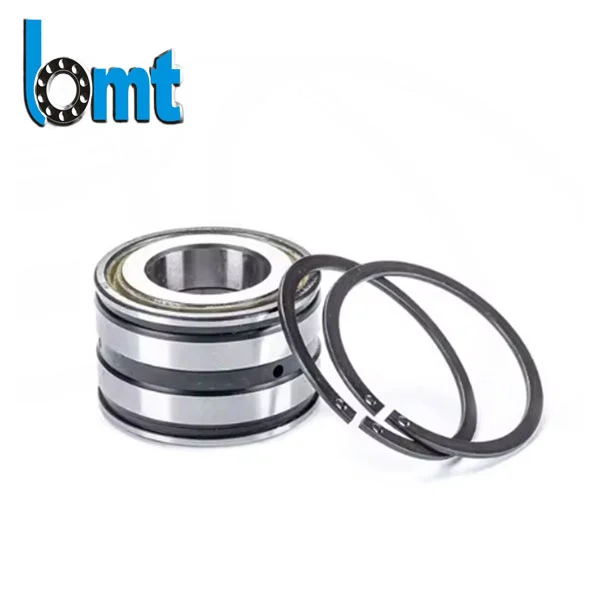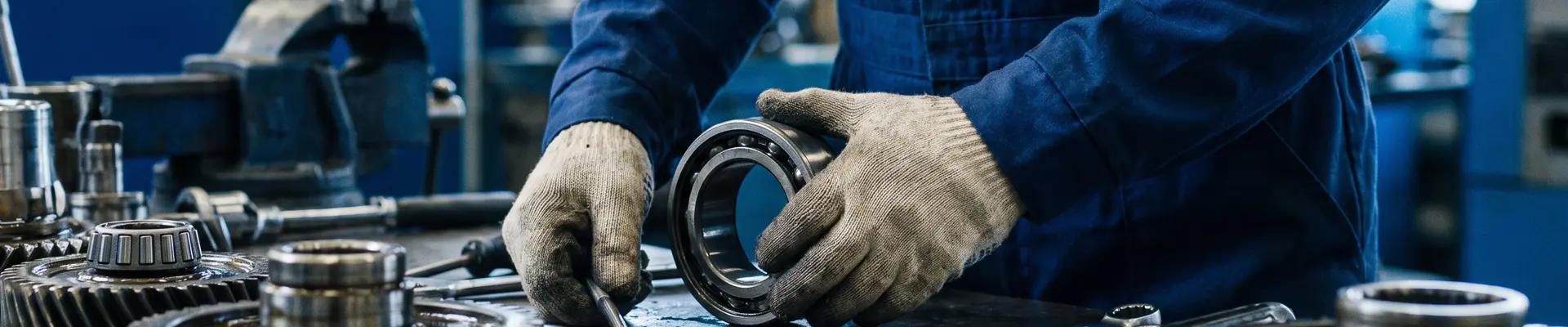
BMT offers Motorcycle Wheel Bearings designed for dependable wheel rotation, reduced friction, and consistent performance in motorcycle applications. For motorcycle parts distributors, OEM buyers, and repair businesses, selecting suitable bearings is essential to maintaining wheel stability, managing operating loads, and supporting long-term component reliability under varying road conditions.
Motorcycle wheel bearings are precision components that allow wheels to rotate smoothly while supporting the loads generated by the motorcycle, rider, braking, and road conditions. Their dimensional accuracy, internal clearance, lubrication, sealing design, and material quality all influence operating performance and service life. This guide explains how motorcycle wheel bearings work, compares common bearing configurations, identifies warning signs of wear, and outlines practical selection and maintenance procedures. It also highlights the technical factors OEM manufacturers, wholesalers, and replacement-parts distributors should evaluate when sourcing bearings. Understanding these considerations helps buyers choose suitable products, reduce premature failures, and improve the reliability of motorcycle wheel assemblies.
1. What Are Motorcycle Wheel Bearings?
2. How Do Motorcycle Wheel Bearings Work?
3. What Types of Motorcycle Wheel Bearings Are Available?
4. Why Are Quality Wheel Bearings Important?
5. What Are the Signs of Wheel Bearing Wear?
6. How to Choose the Right Motorcycle Wheel Bearings
7. Which Technical Specifications Should Buyers Compare?
8. How to Maintain Motorcycle Wheel Bearings
Motorcycle wheel bearings are precision mechanical components installed inside wheel hubs or designated wheel-support assemblies. Their primary function is to permit controlled rotation while supporting loads transmitted through the wheel, axle, and suspension system.
A typical rolling bearing consists of several key components:
These components must work together to maintain smooth rotation and appropriate support. Even small deviations in bearing dimensions, internal clearance, mounting alignment, or surface condition can influence noise, temperature, and operating reliability.
For motorcycle manufacturers and aftermarket suppliers, choosing a suitable bearing involves more than matching its nominal dimensions. The bearing must also meet the load, speed, environmental, and installation requirements of the intended motorcycle model.
BMT provides bearing solutions for motorcycle-related applications. Buyers can review the Motorcycle Wheel Bearings product page to learn more about the available product offering and discuss application-specific requirements with the supplier.
Motorcycle wheel bearings reduce friction between rotating and supporting components. As the wheel turns, the rolling elements move along precision-ground raceways, allowing relative rotation without the direct sliding contact that would otherwise occur between the axle and wheel support surfaces.
During operation, the bearing may experience several types of mechanical loading:
The actual load distribution depends on the motorcycle's wheel design, bearing arrangement, installation geometry, and operating conditions.
Correct installation is equally important. Incorrect bearing seating, excessive mounting force, unsuitable internal clearance, or improper axle tightening can damage bearing components or create undesirable preload. These conditions may increase friction, operating temperature, and premature wear.
For this reason, bearing selection and installation should follow the motorcycle manufacturer's specifications and the bearing supplier's technical guidance.
Different motorcycle designs require different bearing arrangements. The appropriate option depends on load direction, rotational speed, available installation space, sealing requirements, and the vehicle manufacturer's design.
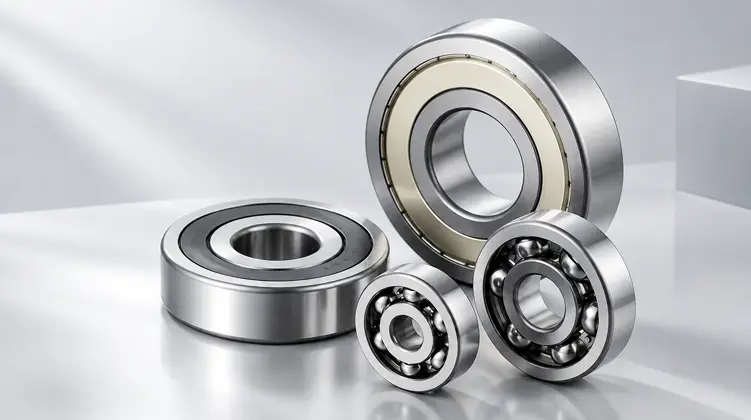
Deep groove ball bearings are widely used in rotating machinery because of their relatively simple structure, low-friction characteristics, and ability to accommodate radial loads and limited axial loads in both directions under suitable conditions.
They are common candidates for motorcycle wheel applications, provided the bearing dimensions, load ratings, internal clearance, and operating conditions meet the application requirements.
Angular contact ball bearings are designed to accommodate combined radial and axial loads according to their contact angle and arrangement. They are suitable for applications where axial load support is an important design consideration.
However, they should not automatically replace a conventional wheel bearing. The correct configuration depends on the original assembly design and specified preload or clearance requirements.
Tapered roller bearings are designed to support combined radial and axial loads. Their geometry makes them suitable for applications requiring substantial load-carrying capability, subject to proper mounting and adjustment.
Some motorcycle wheel assemblies use tapered roller arrangements, while others use ball bearings. Buyers should confirm the original design before selecting a replacement.
Sealed bearings incorporate contact or non-contact sealing elements to help retain lubricant and reduce the entry of dust, water, and other contaminants. The effectiveness of the protection depends on the seal design and the severity of the operating environment.
For motorcycles frequently exposed to rain, road spray, or dirt, sealing performance can be a particularly important selection criterion. Nevertheless, a sealed bearing is not necessarily waterproof under every condition, and its operating limits must be respected.
Wheel bearings are relatively small compared with the complete motorcycle, but their condition can directly affect wheel rotation, mechanical efficiency, and handling consistency.
Precision raceways, suitable internal geometry, and appropriate lubrication help reduce friction during rotation. Lower unnecessary friction can limit heat generation and support efficient operation when the bearing is correctly selected and installed.
Properly functioning bearings help maintain the intended relationship between the wheel, axle, and hub. Excessive internal wear or clearance can contribute to wheel play and inconsistent handling.
Effective sealing helps protect the rolling contacts from abrasive particles and moisture. Contamination can damage raceways, degrade lubricant, and accelerate fatigue or corrosion.
Appropriate material quality, manufacturing precision, lubrication, and quality inspection help establish predictable operating performance. For commercial buyers, consistency across production batches is particularly important when supplying replacement parts or supporting OEM assembly lines.
These benefits depend on the complete bearing system. Even a well-manufactured bearing can fail prematurely if it is incorrectly fitted, overloaded, contaminated, or operated outside its intended conditions.
Recognizing early warning signs can help riders and maintenance teams identify potential problems before more extensive damage occurs. Common symptoms include:
These symptoms do not prove that the bearing is the only source of the problem. Tire defects, wheel imbalance, brake components, axle alignment, and other mechanical issues can produce similar signs.
If wheel instability, significant play, or suspected bearing failure occurs, stop riding and arrange a professional inspection. Do not continue operating a motorcycle with a potentially unsafe wheel assembly.
For OEM buyers, distributors, wholesalers, and repair businesses, selecting the correct bearing requires a systematic review of both mechanical compatibility and supply requirements.
Start with the original equipment number, manufacturer cross-reference, or verified technical drawing. Confirm the bore diameter, outside diameter, width, and any relevant shoulder or mounting dimensions.
Two bearings with similar external dimensions may differ in internal design, clearance, load rating, or sealing structure. Dimensional similarity alone does not establish interchangeability.
Review the expected radial and axial loads, operating speed, shock loading, and duty cycle. Bearing capacity should be assessed using the relevant ratings and engineering calculations rather than relying solely on general product descriptions.
Bearing steel quality, heat treatment, raceway finishing, dimensional tolerances, and assembly consistency can influence durability and operating behavior. Buyers should request applicable technical specifications and inspection documentation when these factors are critical.
Consider exposure to dust, water, mud, road salt, and temperature variation. Confirm the seal configuration, lubricant type, operating temperature range, and maintenance requirements for the intended application.
Commercial buyers should evaluate whether the supplier can maintain consistent specifications and provide the necessary documentation. Useful questions include:
These checks help buyers compare suppliers based on application suitability, production consistency, and long-term sourcing reliability.
A structured comparison makes it easier to evaluate alternative motorcycle wheel bearings. The following table outlines the main parameters that should be reviewed before an order is confirmed.
| Specification | What to Verify | Why It Matters |
|---|---|---|
| Bearing dimensions | Bore, outside diameter, and width | Ensures compatibility with the designated wheel assembly. |
| Bearing design | Deep groove ball, angular contact ball, or tapered roller configuration | Determines the bearing's load-support characteristics. |
| Load ratings | Basic dynamic and static load ratings | Supports engineering assessment of operating loads and expected life. |
| Internal clearance | Specified clearance class and application requirements | Influences operating behavior under mounting and temperature conditions. |
| Sealing structure | Contact seals, non-contact seals, or shields | Helps determine contamination protection and friction characteristics. |
| Lubrication | Grease type, fill requirements, and temperature suitability | Supports reliable operation and lubricant performance. |
| Material and precision | Material specifications, tolerances, and relevant quality checks | Helps establish dimensional consistency and manufacturing suitability. |
| Supplier documentation | Drawings, inspection records, traceability, and warranty conditions | Supports procurement control and after-sales management. |
Buyer recommendation: Request a current technical datasheet for the exact bearing model. The required dimensions, load ratings, clearance, and sealing configuration must be confirmed against the motorcycle manufacturer's specifications rather than assumed from a general product category.
Although many motorcycle wheel bearings are sealed and pre-lubricated, they still require periodic inspection as part of the vehicle's maintenance schedule. Correct installation and contamination control are particularly important.
For distributors and repair workshops, keeping accurate records of part numbers, replacement dates, and reported failure symptoms can also help identify recurring fitment or operating issues.
Check the original equipment part number, the motorcycle manufacturer's service documentation, or a verified bearing specification. Confirm the dimensions, bearing design, internal clearance, and seal configuration before ordering. If the original part number is unavailable, provide the supplier with the motorcycle model, year, application details, and measured dimensions for verification.
Sealed bearings can provide useful protection against dust, moisture, and other contaminants while retaining lubricant. However, the best option depends on the original assembly design, operating environment, speed, and lubrication requirements. A sealed bearing should not be substituted for another configuration without confirming compatibility.
Noisy wheel bearings require prompt inspection because noise may indicate internal damage, contamination, or lubrication problems. If the motorcycle also shows wheel play, instability, grinding, or abnormal heat, stop riding and arrange professional servicing. Continued use of a damaged bearing can compromise wheel control and cause further component damage.
Service life varies with bearing design, material quality, loads, speed, installation accuracy, lubrication, sealing performance, and riding conditions. There is no universal replacement interval applicable to every motorcycle. Follow the manufacturer's maintenance guidance and replace bearings when inspection indicates wear or damage.
Provide the required bearing part numbers or drawings, dimensions, target quantities, application details, preferred seal configuration, packaging requirements, and destination market. If OEM customization is required, include relevant technical specifications and quality documentation requirements. This information helps the supplier assess compatibility and prepare a more accurate quotation.
Depending on the application, request dimensional inspection records, material specifications, load ratings, clearance information, sealing details, applicable quality certifications, and traceability documentation. For safety-critical applications, confirm the validation and acceptance requirements before production or shipment.
Motorcycle wheel bearings play an essential role in wheel rotation, load support, and riding stability. Selecting the right bearing requires careful attention to dimensions, load capacity, internal clearance, lubrication, sealing, and installation requirements. Regular inspection and correct maintenance can help identify wear early and reduce the risk of unexpected mechanical problems. For motorcycle manufacturers, wholesalers, and aftermarket distributors, working with a capable bearing supplier also supports consistent product quality and dependable sourcing. BMT provides bearing solutions for motorcycle-related applications and can help buyers evaluate their requirements. If you are sourcing replacement bearings, planning an OEM project, or comparing specifications for your next order, contact us to discuss your application, request available technical information, and identify a suitable bearing solution for your business.