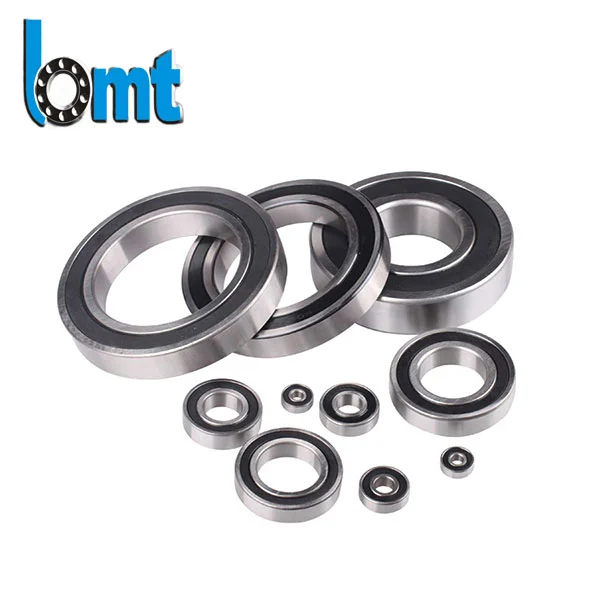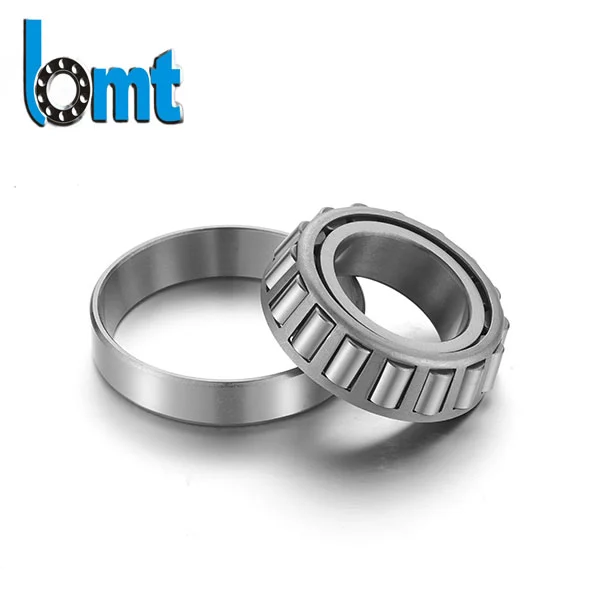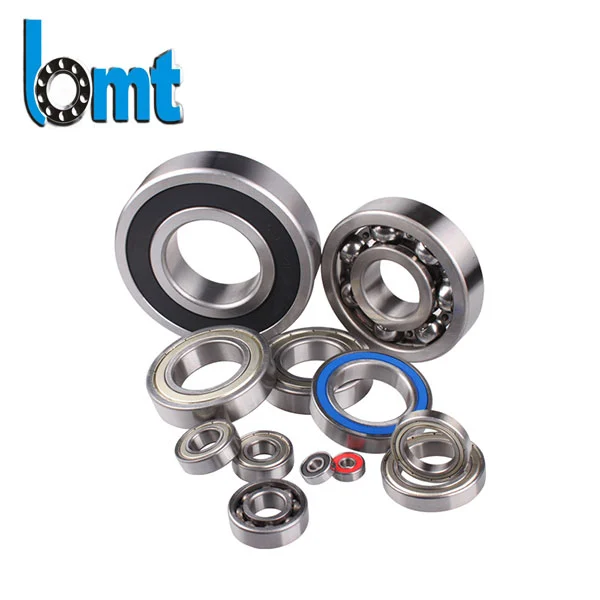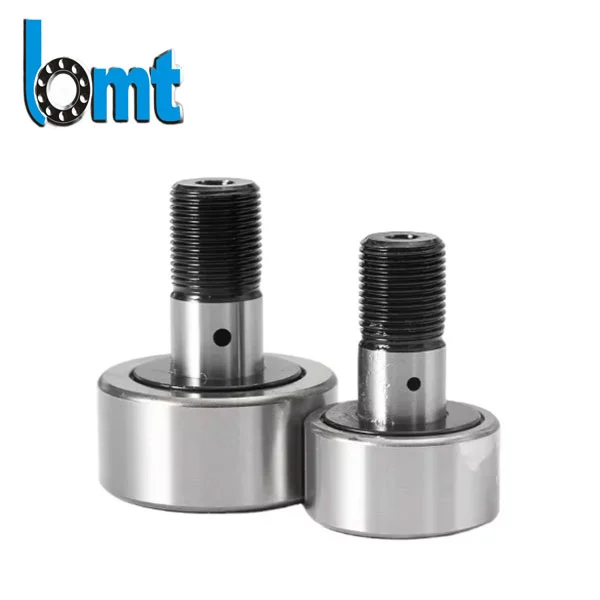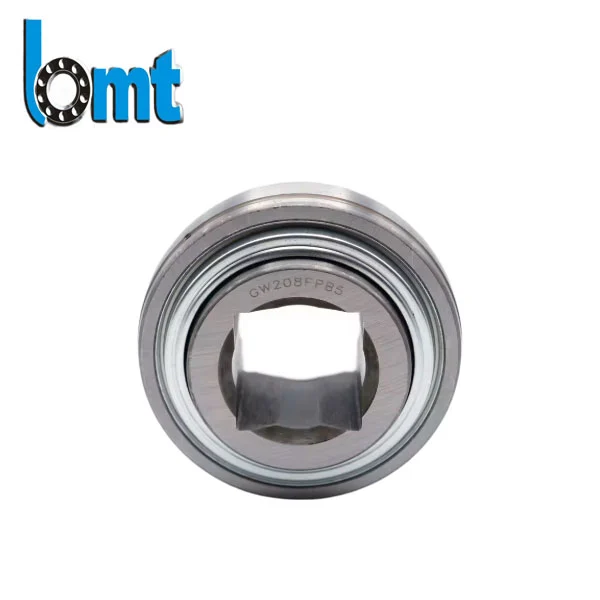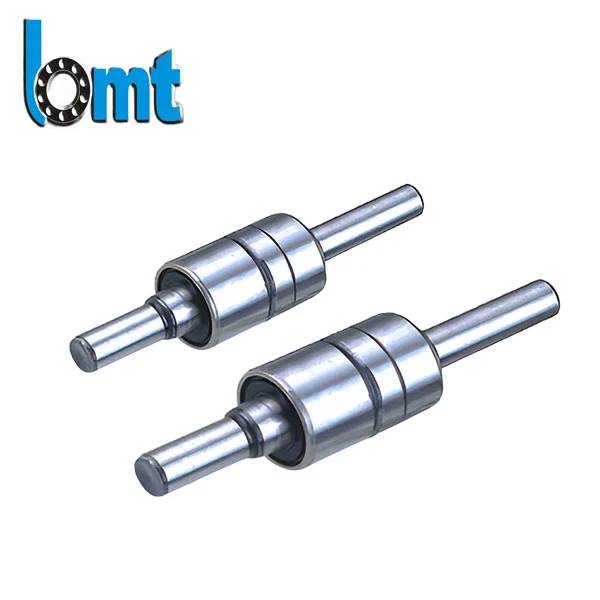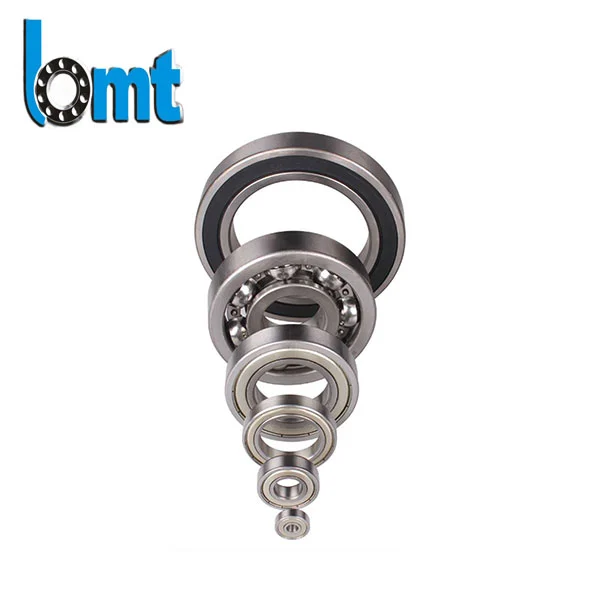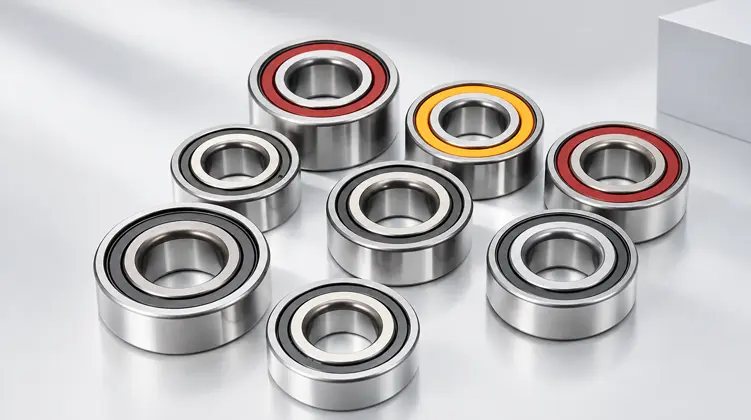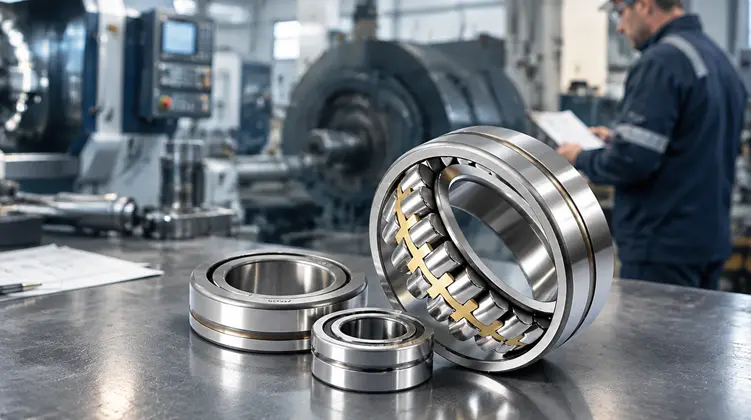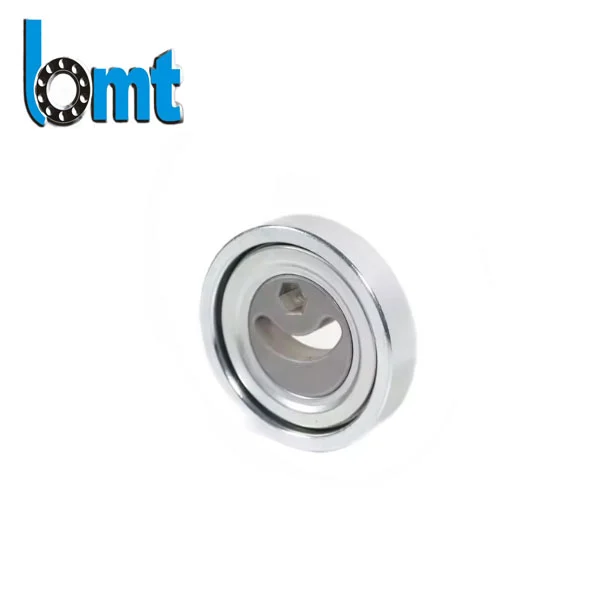
Demy develops Hex Bore Series Agricultural Bearings for demanding agricultural equipment where secure shaft engagement, reliable torque transmission, and resistance to dust and moisture are essential. Designed for tractors, harvesters, balers, tillage equipment, and other heavy-duty machinery, these bearings help improve drivetrain stability and reduce the risk of shaft slippage during intensive field operations.
Agricultural machinery operates in some of the most challenging mechanical environments. High loads, vibration, impact, soil particles, moisture, and long working cycles can place considerable stress on bearing assemblies. Choosing the correct bore configuration is therefore just as important as selecting suitable materials and sealing technology.
Hex Bore Series Agricultural Bearings use a precision-machined hexagonal inner bore to engage directly with a matching hex shaft. This positive mechanical connection improves torque transfer and helps prevent relative rotation between the shaft and bearing. Combined with hardened steel components and protective sealing, the design is particularly suitable for agricultural applications where conventional round-bore arrangements may not provide sufficient engagement stability.
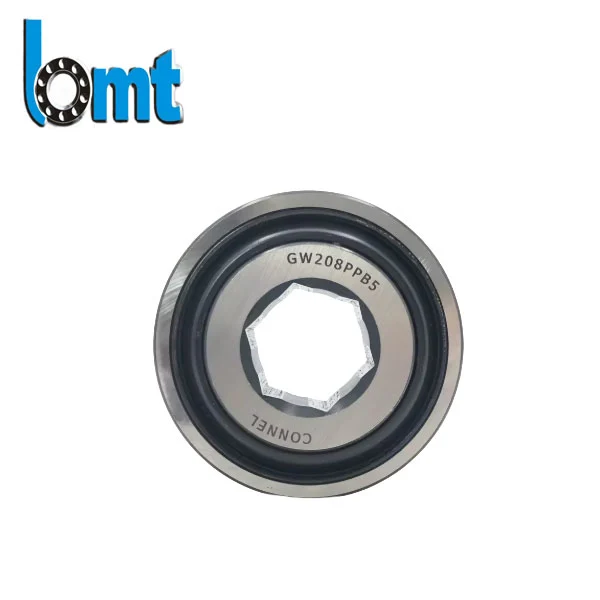
Table of Contents
Why Does the Hex Bore Design Matter?
What Are the Key Engineering Features?
Where Are These Bearings Used?
How Does a Hex Bore Bearing Compare with Conventional Designs?
How Should Buyers Select the Right Bearing?
How Can Bearing Service Life Be Improved?
What Should Buyers Expect from a Professional Manufacturer?
Why Does the Hex Bore Design Matter?
The bore is the interface between a bearing and its shaft, so its geometry directly affects how mechanical power is transmitted. A conventional round bore generally relies on the shaft fit, locking mechanism, or other retention method to maintain engagement. A hexagonal bore introduces another advantage: the matching shaft profile creates a positive mechanical connection.
This configuration is especially useful in agricultural machinery because drivetrains frequently experience sudden changes in load. When equipment encounters compacted soil, uneven crop material, heavy hay, or other resistance, torque can rise rapidly. A properly matched hex bore and shaft can maintain stable engagement under these conditions.
The main advantages include:
- More secure engagement between the bearing and shaft.
- Reduced risk of rotational slippage during high-torque operation.
- Stable power transmission through agricultural drivetrains.
- Better resistance to vibration and shock loading.
- Improved operational reliability in demanding field environments.
For equipment manufacturers and replacement-parts buyers, this design can therefore provide an effective balance between mechanical reliability and practical installation requirements.
What Are the Key Engineering Features?
A bearing designed for agricultural machinery must handle much more than rotational movement. It needs to maintain dimensional stability and internal protection while exposed to contaminants and mechanical loads. Several engineering elements work together to achieve this objective.
Precision Hexagonal Bore
The defining feature is the accurately machined hexagonal inner bore. Its geometry corresponds with a compatible hex shaft, creating a secure connection and helping maintain torque transfer during operation.
Hardened Steel Construction
High-quality hardened steel is used for the primary bearing rings. The material structure is intended to provide strength, fatigue resistance, and durability during repeated loading cycles.
Protective Sealing
Agricultural equipment commonly operates around soil, dust, sand, crop residue, and water. Rubber sealing combined with metal dust-shielding elements can help protect the internal rolling components and retain lubrication.
Heavy-Duty Operating Capability
The overall configuration is intended for equipment subjected to high loads, vibration, impact, and harsh environmental exposure. This makes the bearing suitable for critical rotating points where unexpected downtime can affect an entire harvesting or planting operation.
Where Are These Bearings Used?
The versatility of agricultural bearing assemblies is closely related to the wide variety of farm implements that require dependable rotating components. Hex Bore Series Agricultural Bearings can be applied across several equipment categories.
| Application Area | Typical Bearing Locations | Primary Operating Challenge |
|---|---|---|
| Hay & Forage Equipment | Pickup drives, roller shafts, knotter mechanisms | High load, vibration, crop residue |
| Harvesting Machinery | Feeder drives, augers, cutterbars, spreader assemblies | Continuous rotation and shock loading |
| Tillage & Planting Equipment | Disc gang axles, seed-meter drives, fertilizer shafts | Dust, abrasive soil, impact |
| Grain Handling Equipment | Portable augers, bucket elevators, PTO transfer systems | Long operating cycles and contamination |
Because these applications differ in speed, load, shaft configuration, and environmental exposure, buyers should always verify the complete bearing specification rather than selecting a bearing based solely on its outside dimensions.
How Does a Hex Bore Bearing Compare with Conventional Designs?
The biggest distinction is the way the bearing engages with its shaft. A round-bore bearing provides a circular interface, while a hex bore uses matching flat surfaces to establish positive mechanical engagement.
| Feature | Hex Bore Design | Conventional Round Bore |
|---|---|---|
| Shaft Engagement | Positive engagement with matching hex shaft | Primarily circular shaft interface |
| Torque Transmission | Designed to minimize rotational slippage | Depends strongly on fit and locking method |
| High-Torque Applications | Well suited to demanding agricultural drivetrains | Suitable when correctly specified and secured |
| Environmental Protection | Can incorporate sealed and shielded construction | Depends on the specific bearing configuration |
| Typical Use | Farm machinery and specialized drives | Broad industrial and agricultural applications |
This does not mean that hex bore bearings replace every other bearing type. Instead, their value becomes clear when the shaft-to-bearing interface requires secure torque transmission and consistent engagement.
How Should Buyers Select the Right Bearing?
Correct bearing selection should begin with the machine rather than the bearing itself. Before placing an order, procurement teams, maintenance engineers, and equipment manufacturers should confirm the operating requirements.
- Confirm the shaft profile: Check that the hexagonal shaft geometry matches the bearing bore.
- Verify dimensions: Confirm bore, outside diameter, width, and mounting dimensions.
- Evaluate operating loads: Consider radial loads, shock loads, vibration, and torque.
- Consider environmental conditions: Dust, soil, moisture, crop residue, and temperature can influence bearing life.
- Check sealing requirements: Choose suitable protection for the actual field environment.
- Review equipment compatibility: Verify the bearing against the original machine or OEM part specification.
- Discuss special requirements: For non-standard machinery, provide drawings, samples, or technical dimensions to the manufacturer.
For buyers sourcing agricultural bearings from China, technical communication is particularly important when ordering replacement components or developing new equipment. A professional supplier should be able to confirm dimensional compatibility before production.
How Can Bearing Service Life Be Improved?
Even a well-engineered agricultural bearing can experience premature wear if installation and maintenance are neglected. Correct handling is one of the simplest ways to protect the bearing and the connected shaft.
- Clean the shaft and bearing bore before installation.
- Remove burrs, dirt, old grease, and other contaminants.
- Check the shaft profile for damage or deformation.
- Align the hex bore carefully with the matching shaft.
- Use an appropriate installation tool and apply steady pressure.
- Avoid striking the bearing directly with a hammer.
- Confirm that the bearing is fully seated against the correct locating surface.
- Inspect seals and surrounding components during scheduled maintenance.
Preventive inspection is especially valuable before intensive planting or harvesting seasons. Identifying abnormal noise, excessive vibration, looseness, or seal damage early can help reduce the risk of unplanned machine downtime.
What Should Buyers Expect from a Professional Manufacturer?
For agricultural bearing procurement, product design is only one part of the decision. Consistent manufacturing quality is equally important, particularly when bearings are purchased in large quantities for OEM production or replacement-part distribution.
Demy's manufacturing background includes bearing development dating back to 2004, with experience in standard and non-standard bearing production. The manufacturing information provided for this product indicates a 30,000-square-meter industrial facility, approximately 100 automatic grinding and assembly lines, and an annual production capacity of up to 100 million sets.
The company's stated quality systems include ISO 9001:2000 and IATF 16949:2016. Production controls cover raw material handling, dimensional inspection, component processing, assembly, and finished-product testing. These systems are particularly relevant to buyers who require repeatable dimensions and stable performance across high-volume orders.
When evaluating a Hex Bore Series Agricultural Bearings supplier, buyers should also consider technical support, OEM compatibility, customization capabilities, production consistency, and after-sales communication instead of focusing only on unit price.
Frequently Asked Questions
What is the main advantage of a hex bore agricultural bearing?
The primary advantage is positive mechanical engagement with a matching hex shaft. This configuration helps reduce relative rotation between the shaft and bearing and supports stable torque transmission in demanding agricultural machinery.
Which machines can use these agricultural bearings?
Typical applications include tractors, harvesters, balers, tillage equipment, planting machinery, grain-handling systems, augers, and PTO-related equipment. The exact application depends on the bearing dimensions and machine shaft configuration.
Are hex bore bearings suitable for dusty farm environments?
Yes. Agricultural bearings can be configured with sealing and shielding systems designed to help protect internal components from dirt, sand, moisture, and crop-related contaminants. The appropriate sealing configuration should be selected according to the working environment.
How should a hex bore bearing be installed?
The shaft and bore should first be cleaned and inspected. The bearing should then be carefully aligned with the hex shaft and installed using a suitable pressing or mounting tool. Direct hammering on the bearing should be avoided because impact can damage internal components.
Can buyers source OEM-compatible agricultural bearings?
OEM-compatible solutions can be available when the supplier has the necessary dimensional and application information. Buyers should provide the original part number, bearing dimensions, drawings, samples, or equipment information so compatibility can be evaluated accurately.
Conclusion
For agricultural machinery operating under high loads, vibration, dust, moisture, and repeated shock, the bearing-to-shaft connection plays an important role in overall drivetrain reliability. A hexagonal bore provides positive engagement with a compatible shaft, while hardened steel construction and protective sealing can support durability in demanding field conditions.
For equipment manufacturers, agricultural machinery distributors, and replacement-parts buyers, selecting the right bearing should involve more than dimensions alone. Shaft geometry, load conditions, sealing requirements, installation method, OEM compatibility, and manufacturing consistency should all be evaluated together. If you are looking for a dependable agricultural bearing solution for tractors, harvesters, balers, or other farm equipment, contact us with your bearing dimensions, application details, drawings, or samples, and Demy can help you identify a suitable solution for your machinery requirements.