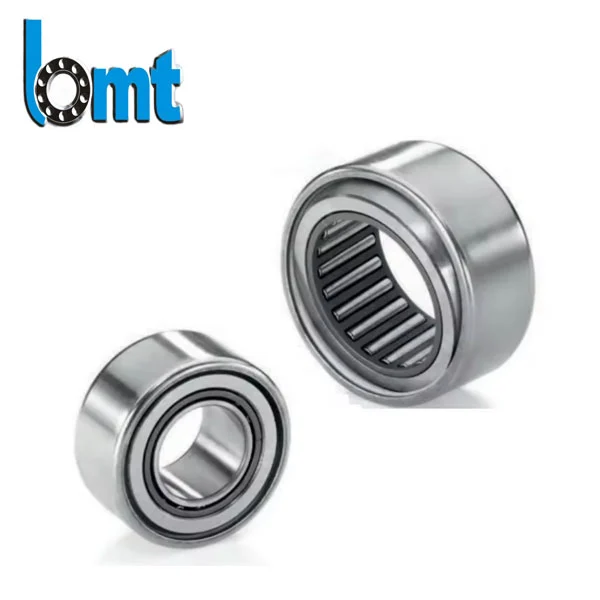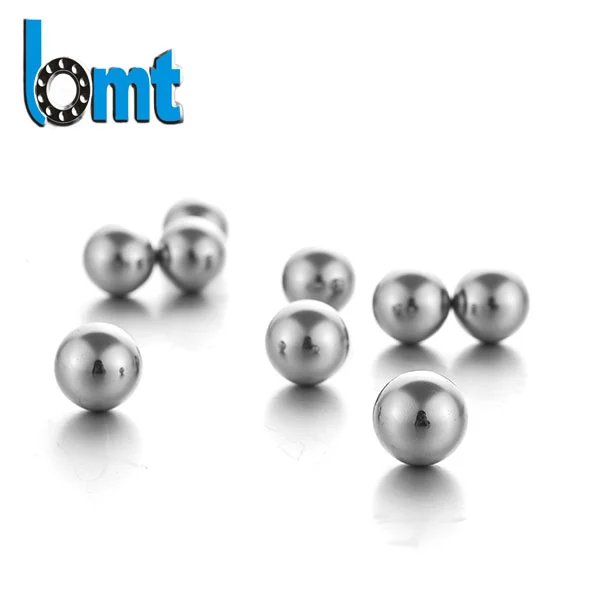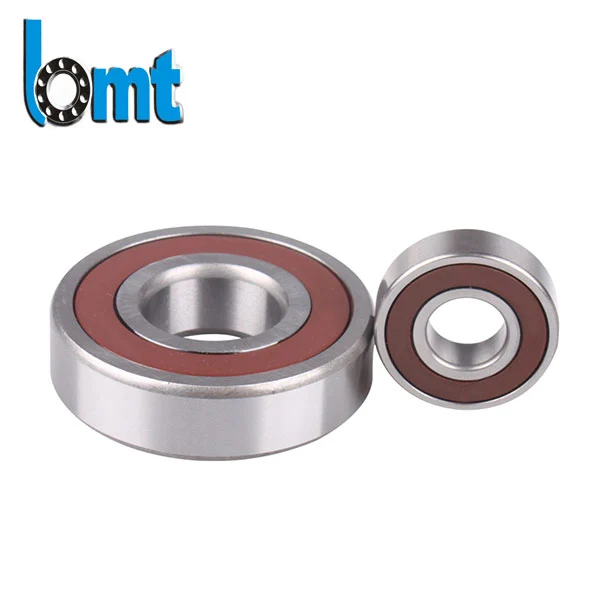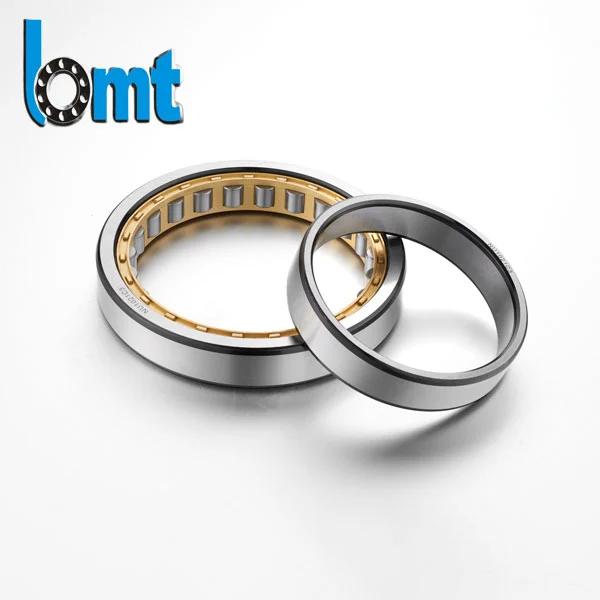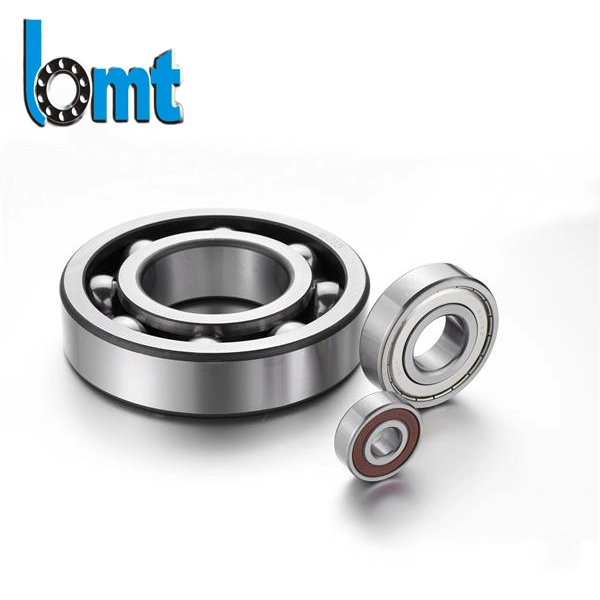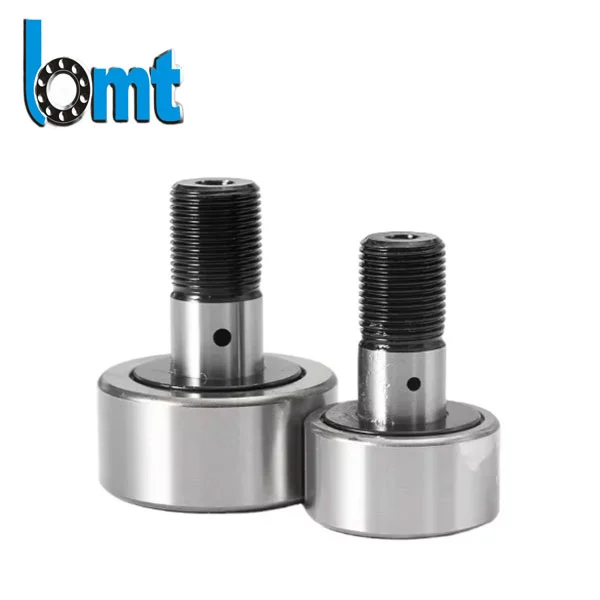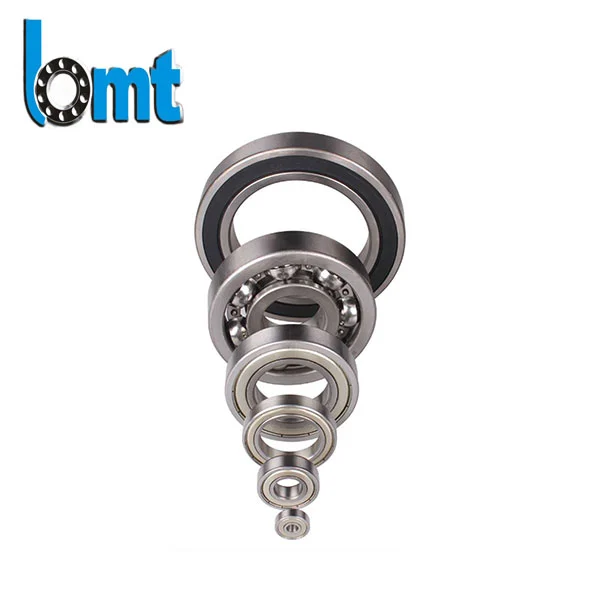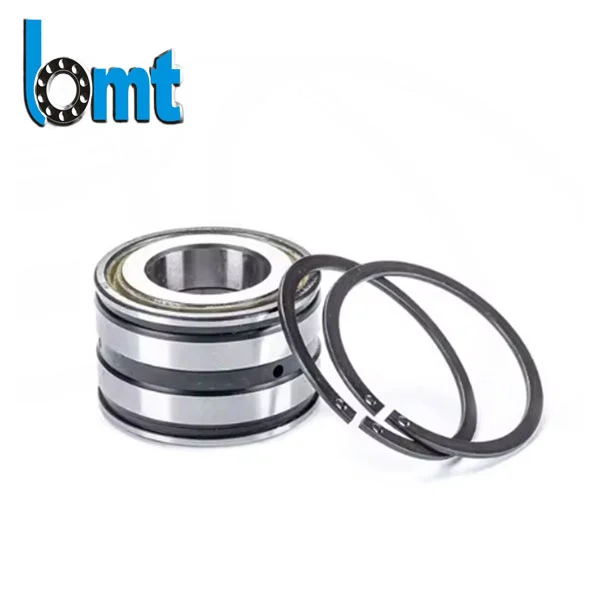
Article Summary: Tensioner bearings play an essential role in maintaining proper belt and chain tension, reducing friction, preventing slippage, and improving the reliability of power transmission systems. Whether used in automotive engines, agricultural machinery, or industrial conveyor equipment, selecting the right bearing directly affects operating efficiency and maintenance costs. BMT provides precision-engineered Tensioner Bearings designed for demanding working environments, offering material options, reliable sealing structures, OEM cross-reference support, and customized manufacturing solutions for global buyers.
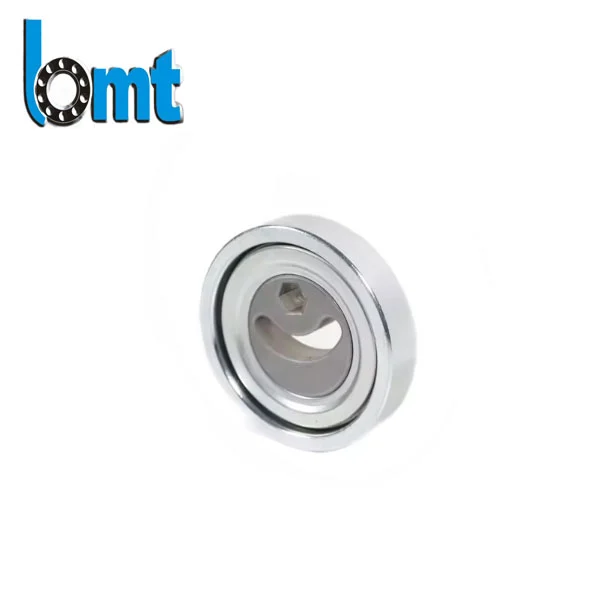
Tensioner bearings are specialized mechanical components designed to maintain the appropriate tension of belts or chains in power transmission systems. They support smooth rotation while helping prevent excessive slack, slipping, vibration, and premature component wear.
In many mechanical systems, belts and chains transmit rotational power between shafts, pulleys, and sprockets. However, continuous operation, temperature fluctuations, mechanical loads, and material aging can gradually affect their tension. Without an effective tensioning mechanism, these changes may reduce transmission efficiency and increase maintenance requirements.
A properly designed tensioner bearing helps maintain stable contact between the belt or chain and the drive components. This improves power transmission consistency and protects surrounding mechanical parts.
Common applications include:
For equipment manufacturers and replacement-parts distributors, selecting suitable tensioner bearings is an important step toward improving equipment reliability and controlling long-term operating costs.
The primary function of a tensioner bearing is to provide controlled supporting force against a moving belt or chain. Its rotating structure allows the contact surface to move smoothly while maintaining the required tension within the drive system.
During equipment operation, several factors can cause belt or chain tension to change:
A tensioner assembly compensates for these changes by maintaining an appropriate supporting position and reducing excessive slack.
It is important to understand that correct tension depends on the complete drive system. Excessive tension can be just as harmful as insufficient tension, making proper component selection and installation essential.
Not all tensioner bearings offer the same performance. Industrial and automotive applications require components capable of handling different loads, rotational speeds, temperatures, and environmental conditions.
When evaluating a tensioner bearing supplier, buyers should pay attention to the following engineering characteristics.
Tensioner bearings operate under continuous mechanical stress and may experience fluctuating loads during equipment operation. A suitable bearing structure should provide adequate static and dynamic load capacity while maintaining dimensional stability.
Appropriate bearing design helps minimize deformation, excessive clearance, and premature mechanical failure.
Material selection directly influences wear resistance, corrosion resistance, and service life. Alloy steel is commonly selected for general industrial and automotive applications, while stainless steel provides additional protection in humid or mildly corrosive environments.
Dust, moisture, and foreign particles can enter the bearing assembly and damage its internal raceways and rolling elements. An effective sealing structure helps protect the internal components and preserve lubrication performance.
This feature is particularly important for agricultural equipment, outdoor machinery, and industrial facilities exposed to dust or frequent cleaning.
Precision machining and proper dynamic balancing contribute to smooth bearing rotation. Reduced vibration and abnormal noise are particularly valuable in automotive applications and high-speed industrial transmission systems.
Different equipment manufacturers may require specific dimensions, mounting configurations, seal structures, and lubrication specifications. High-quality suppliers should be able to provide cross-reference services and customized solutions according to technical drawings or existing samples.
Tensioner bearings are used in a wide range of mechanical systems where stable belt or chain tension is necessary. Their operating requirements vary according to equipment design and environmental conditions.
Automotive tensioner bearings are commonly used in engine timing systems and accessory drive systems. They help maintain appropriate belt tension, supporting stable operation of components driven by engine belts.
In passenger cars and light commercial vehicles, proper tension management helps reduce belt vibration, noise, and premature wear.
Agricultural equipment often operates in challenging outdoor environments. Dust, mud, moisture, temperature changes, and long operating hours can place additional demands on bearing performance.
For tractors, harvesters, and other agricultural machines, durable materials and effective sealing are important considerations when choosing tensioner bearings.
Industrial conveyor systems depend on stable belt movement to transport materials efficiently. Incorrect belt tension may lead to slippage, tracking problems, and interruptions in production.
Properly selected tensioner bearings support continuous operation and help reduce unnecessary maintenance downtime.
Other applications include automated transfer machinery, mechanical transmission assemblies, and specialized production equipment. In these systems, customized bearing dimensions and performance characteristics may be required to meet specific engineering conditions.
The following table summarizes typical application requirements.
| Industry | Typical Application | Key Performance Requirements |
|---|---|---|
| Automotive | Timing belts and accessory drive systems | Low noise, dimensional accuracy, stable rotation |
| Agriculture | Tractors, harvesters, and field machinery | Dust protection, moisture resistance, durability |
| Industrial | Conveyor belts and automated production lines | Load capacity, operational stability, wear resistance |
| General Machinery | Mechanical belt and chain transmission systems | Reliable tension control and application compatibility |
| Humid Environments | Outdoor and moisture-exposed machinery | Corrosion resistance and effective sealing |
The material used in a tensioner bearing influences its mechanical strength, wear resistance, corrosion protection, and suitability for different operating environments.
Two commonly available material options are alloy steel and stainless steel. Each offers different advantages depending on the application.
Alloy steel is widely used in mechanical bearing production because of its strength, hardness, and wear resistance. It is suitable for many automotive and industrial applications where reliable mechanical performance and cost efficiency are important.
Typical advantages include:
Stainless steel is a suitable choice for applications exposed to humidity, water splashes, or mild corrosive conditions. It offers improved corrosion resistance compared with conventional bearing steel grades, depending on the specific material specification.
Typical advantages include:
| Comparison | Alloy Steel | Stainless Steel |
|---|---|---|
| Mechanical Strength | Suitable for demanding mechanical loads | Depends on the selected stainless steel grade |
| Wear Resistance | Generally suitable for conventional bearing applications | Depends on material grade and heat treatment |
| Corrosion Resistance | Requires suitable surface protection where necessary | Generally better resistance to moisture and corrosion |
| Typical Applications | Automotive and general industrial equipment | Outdoor, humid, and specialized machinery |
| Selection Priority | Strength and cost efficiency | Environmental corrosion resistance |
The final material choice should consider actual operating conditions, required service life, lubrication, load, and maintenance requirements rather than material name alone.
Choosing the correct tensioner bearing requires more than matching its external dimensions. Buyers should evaluate the complete operating environment and the technical requirements of the equipment.
Check the bearing's inner diameter, outer diameter, width, mounting configuration, and other relevant dimensions. Even small dimensional differences may affect installation accuracy and mechanical performance.
Confirm the expected radial load, operating speed, and duty cycle. The selected bearing should meet the application's rated performance requirements without operating under continuous overload.
Temperature affects grease performance, seal durability, and bearing material behavior. Automotive engine compartments and industrial equipment may require different lubrication and sealing specifications.
Consider the presence of dust, water, chemicals, and other contaminants. The sealing configuration and grease grade should be matched to the operating environment and expected maintenance interval.
When purchasing replacement bearings, providing the original equipment manufacturer's part number is often the most efficient way to confirm compatibility.
For buyers who do not have a complete technical drawing, clear product photographs and physical samples can also help suppliers identify the correct reference.
Before placing a bulk order, it is advisable to confirm:
Even a high-quality tensioner bearing may experience premature failure if it is installed incorrectly or operated outside its rated conditions. Proper installation and routine inspection are essential for maintaining reliable performance.
Ensure that the bearing and associated pulley or chain drive components are correctly aligned. Misalignment can create uneven loading, excessive friction, abnormal heat, and accelerated wear.
Over-tightening a belt or chain increases the mechanical load applied to the bearing and surrounding components. Always follow the equipment manufacturer's recommended tension specifications.
Insufficient or degraded grease can increase internal friction and operating temperature. Check lubrication according to the bearing design and the equipment manufacturer's maintenance schedule.
Regularly inspect the bearing assembly for damaged seals, accumulated dirt, corrosion, and visible signs of leakage. Contamination can significantly shorten bearing service life.
Unusual operating noise, excessive vibration, and abnormal temperature increases may indicate bearing deterioration or incorrect installation. Investigate these symptoms promptly rather than waiting for complete component failure.
Recommended maintenance checklist:
Manufacturing quality is one of the most important factors influencing bearing reliability. For automotive and industrial buyers, a qualified supplier should demonstrate consistent production processes, dimensional accuracy, and appropriate inspection procedures.
BMT Bearings has more than 20 years of in-house bearing manufacturing experience at its production facility in Yuyao, Ningbo, China. Its production and quality management systems operate under ISO 9001:2015 and IATF 16949:2016 certifications.
Reliable tensioner bearing production involves multiple inspection stages to help ensure that products meet their intended specifications.
For international buyers, documented quality procedures provide greater confidence when evaluating suppliers and establishing long-term procurement relationships.
BMT supports quality documentation such as batch certificates of conformity and dimensional inspection reports for ordered references, subject to the agreed order requirements.
Standard bearing products may not meet every equipment manufacturer's design requirements. OEM customization allows buyers to obtain components that match specific installation dimensions, operating conditions, and performance expectations.
BMT provides tensioner bearing manufacturing and customization support for automotive, agricultural, and industrial applications.
Replacement bearing buyers often have an existing part number from their original supplier. BMT supports cross-reference inquiries involving vehicle and equipment applications, with database coverage including Audi, Volkswagen, Ford, Fiat, Peugeot, and Škoda.
Cross-reference support also covers selected equivalent references from SKF, INA, and BREDA. Actual compatibility should be confirmed against dimensions, specifications, and application requirements before ordering.
To make the quotation and technical confirmation process more efficient, buyers can provide the following information:
| Information Provided by Buyer | Support Available from Supplier |
|---|---|
| OEM part number | Reference matching and compatibility confirmation |
| Technical drawing | Dimensional evaluation and customized manufacturing discussion |
| Existing bearing sample | Product identification and specification comparison |
| Annual or quarterly demand | Quotation, MOQ evaluation, and delivery planning |
| Packaging requirements | Customized packaging and labeling solutions |
When selecting a long-term bearing supplier, buyers should evaluate manufacturing experience, quality certifications, technical communication, customization capabilities, delivery reliability, and after-sales support.
For additional product information, explore BMT's automotive bearings, agricultural bearings, and industrial bearings product categories.
A tensioner bearing helps maintain the appropriate tension of a belt or chain in a mechanical transmission system. It supports smooth movement, reduces slippage, and helps prevent excessive vibration and premature wear of related components.
Tensioner bearings are widely used in automotive engine timing systems, serpentine belt drives, agricultural machinery, industrial conveyor systems, and general mechanical equipment. Their specifications vary according to the operating environment and mechanical requirements.
Alloy steel and stainless steel are two common material options. Alloy steel is suitable for many conventional automotive and industrial applications because of its mechanical strength and wear resistance. Stainless steel is often selected for environments requiring improved corrosion resistance.
Common causes include incorrect installation, shaft or pulley misalignment, excessive belt tension, insufficient lubrication, grease deterioration, and contamination caused by damaged seals. Regular inspection and correct operating conditions help reduce these risks.
The most reliable approach is to provide the original OEM part number. If the number is unavailable, you can submit the bearing dimensions, technical drawing, clear photographs, or an existing sample. A qualified supplier can compare these details to identify a suitable replacement.
Yes. Depending on manufacturing capabilities, customization may include bore dimensions, bearing width, material, sealing structure, grease grade, and packaging. Buyers should provide detailed technical drawings or samples so that the manufacturer can evaluate the requirements accurately.
ISO 9001:2015 demonstrates the implementation of a quality management system, while IATF 16949:2016 is an automotive quality management standard. Buyers should also review dimensional inspection procedures, running performance checks, durability evaluations, and available batch documentation.
Yes. BMT provides OEM part number cross-reference support, customized manufacturing discussions, bulk purchasing, export packaging, and technical assistance. Trial quantities can also be discussed before establishing a larger purchasing agreement, depending on the selected product reference.
Tensioner bearings are essential components for maintaining stable belt and chain transmission in automotive, agricultural, and industrial equipment. Their performance influences power transmission efficiency, operating noise, component wear, and overall equipment reliability.
When choosing the right product, buyers should consider dimensional compatibility, load capacity, rotational speed, material properties, sealing performance, lubrication, and the actual working environment. Working with an experienced manufacturer also helps simplify OEM matching, customized production, and quality verification.
With more than 20 years of in-house manufacturing experience, ISO 9001:2015 and IATF 16949:2016 quality management systems, and support for OEM cross-reference and customized bearing solutions, BMT is committed to serving global automotive, agricultural, and industrial customers.
Whether you are sourcing standard replacement components, developing a new mechanical assembly, or planning long-term bulk procurement, BMT can help you identify suitable bearing solutions. Visit our Tensioner Bearings product page to learn more about available products and technical capabilities. For product specifications, OEM compatibility checks, customized manufacturing, or competitive wholesale quotations, contact us today and let BMT support your next bearing procurement project with professional service and dependable manufacturing expertise.