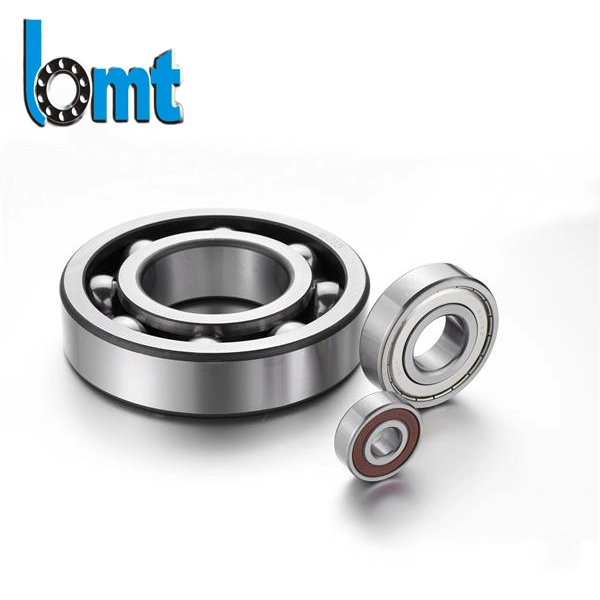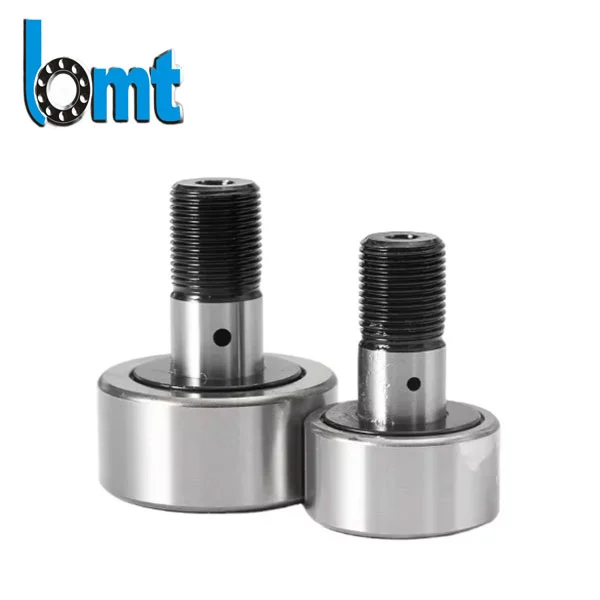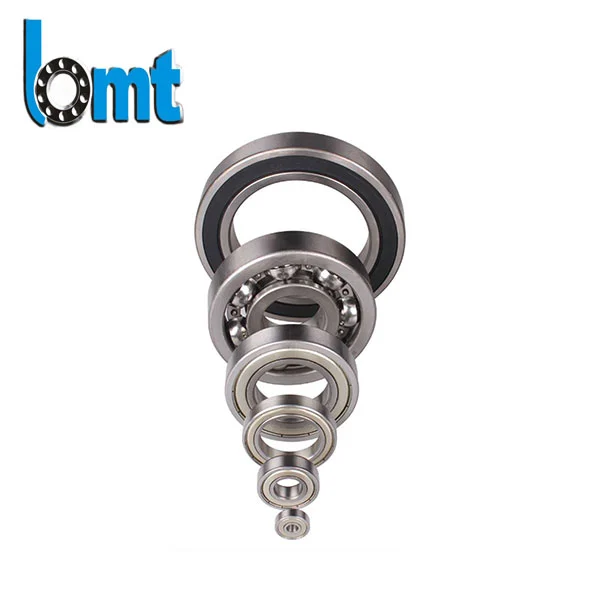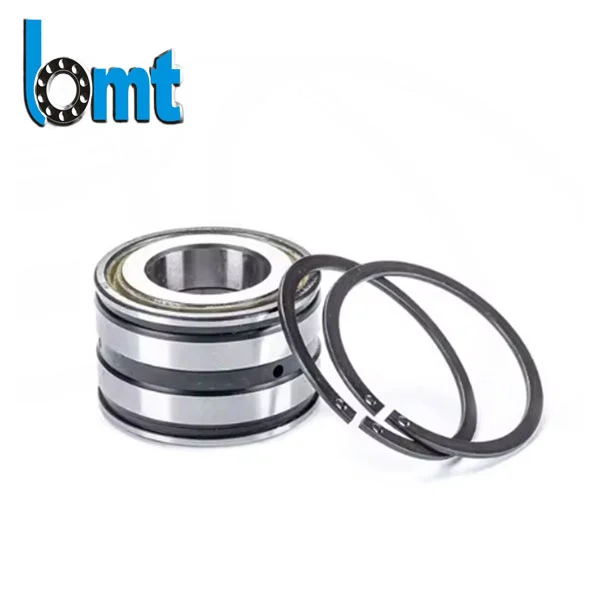
As an experienced automotive bearing manufacturer, BMT provides precision-engineered Clutch Release Bearings designed to support smooth clutch disengagement, stable axial load transmission, and dependable performance in automotive and motorcycle applications. Understanding how these components work, how to identify wear, and how to select the correct replacement can help repair professionals, distributors, and vehicle manufacturers improve clutch reliability and reduce avoidable maintenance costs.
Clutch release bearings, also known as throw-out bearings, are essential components in clutch systems equipped with a release mechanism. They transfer force from the clutch pedal mechanism to the pressure plate diaphragm spring, allowing the engine and transmission to disconnect temporarily during gear changes. Bearing quality, lubrication, alignment, sealing, and installation accuracy all influence operating noise and service life. This guide explains the working principle, common designs, material considerations, failure symptoms, and purchasing criteria for selecting suitable clutch release bearings.
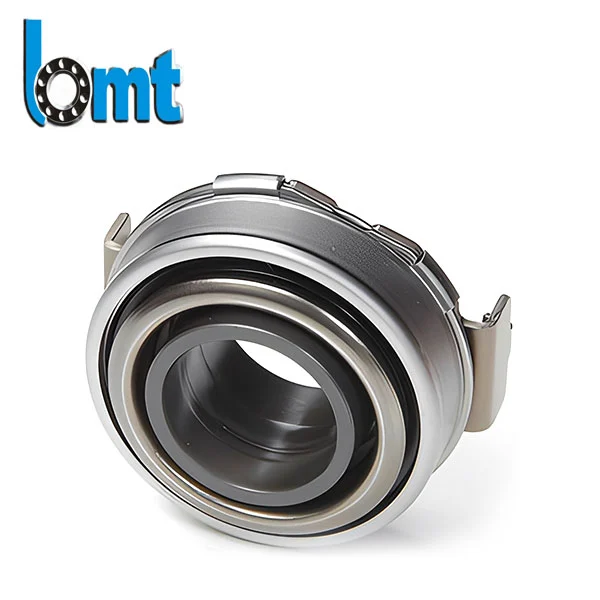
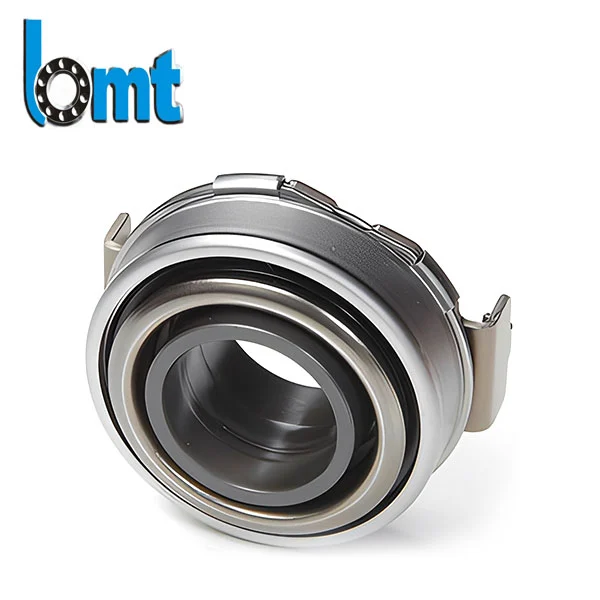
A clutch release bearing is a mechanical component positioned within the clutch release assembly. It provides a rolling contact interface between the release mechanism and the rotating pressure plate diaphragm spring. Its primary responsibility is to transfer axial force while accommodating the relative motion between stationary and rotating components.
When the driver presses the clutch pedal, the bearing moves toward the pressure plate and applies the force required to release the clutch disc. This temporarily interrupts the engine's torque transmission to the gearbox, allowing the driver to change gears or stop without stalling the engine.
Although relatively compact, clutch release bearings operate under repeated mechanical loading, rotational contact, and elevated temperatures. An unsuitable or worn bearing may contribute to abnormal noise, inconsistent pedal feel, incomplete clutch disengagement, and expensive transmission repairs.
For automotive parts distributors and repair businesses, selecting dependable bearings is therefore important not only for immediate repair quality but also for long-term customer satisfaction.
The operating process involves several coordinated movements within the clutch assembly. Each component must function correctly to achieve smooth and predictable gear changes.
The release bearing must handle this repeated cycle without excessive friction, vibration, or uneven contact. Accurate alignment and suitable internal lubrication help maintain stable operation throughout its service life.
Clutch release bearings are available in different configurations to match the clutch mechanism, available installation space, and vehicle operating requirements. The correct design depends on the original equipment specifications rather than appearance alone.
These bearings work with a release fork operated by a mechanical linkage or an external hydraulic actuator. Their configuration is widely used in manual transmission systems. Correct guide-sleeve condition, bearing travel, and release-fork alignment are important for reliable operation.
Self-aligning designs can compensate for limited angular or positional deviations within their intended operating range. This helps distribute contact more evenly and can reduce localized wear caused by minor misalignment. Their compensation capability is design-specific and should not be treated as a substitute for proper installation.
A concentric slave cylinder, commonly called a CSC, integrates the release bearing with a hydraulic actuator positioned around the transmission input shaft. This arrangement can reduce the number of external release components and provide a compact installation. Because the bearing and actuator may form an integrated assembly, replacement procedures must follow the vehicle manufacturer's service instructions.
Passenger cars, light commercial vehicles, trucks, motorcycles, and other specialized platforms may require different bearing dimensions, contact geometries, retention structures, or load capabilities. Always verify the specific clutch design and equipment requirements before choosing a replacement.
The materials and manufacturing precision of clutch release bearings influence their ability to withstand repeated axial loading, frictional contact, temperature variation, and contamination.
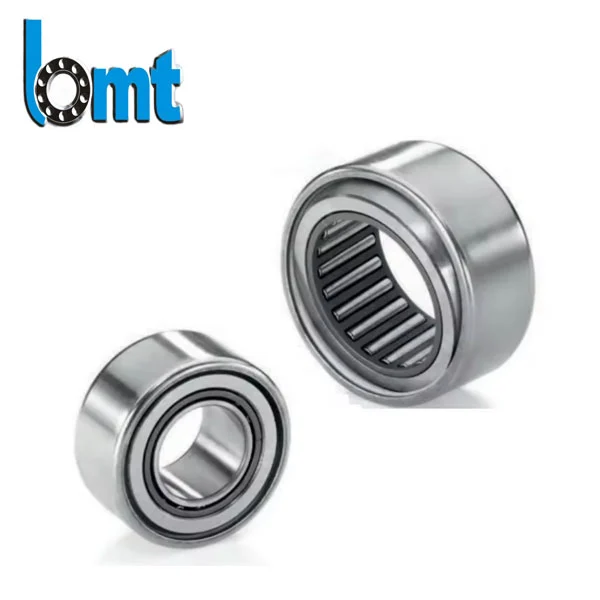
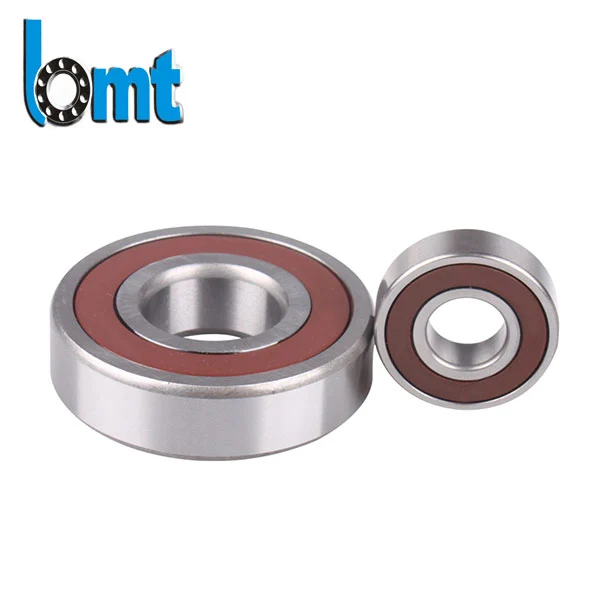
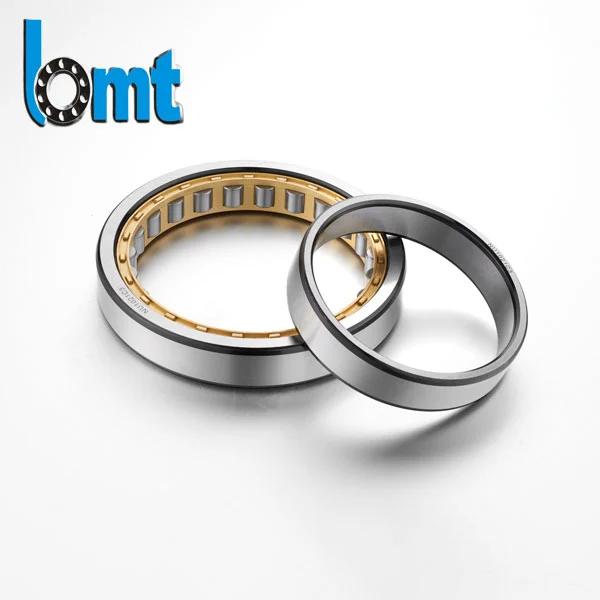
BMT's published clutch release bearing specifications identify GCr15 bearing steel, precision steel balls, reinforced nylon or stamped steel cages, and application-dependent sealing and lubrication options. The published operating temperature range is -40°C to +150°C, with a stated short-term peak of +170°C. These figures apply to the specified product range and should be confirmed for the exact model being purchased.
For further product information, visit the BMT Clutch Release Bearings product page.
Early diagnosis can help prevent a worn release bearing from damaging surrounding clutch components. However, several clutch problems can produce similar symptoms, so a noise or pedal change alone does not conclusively identify the failed part.
A squealing, grinding, or whirring sound that changes when the clutch pedal is pressed may indicate release-bearing wear or lubrication failure. A technician should also inspect the release fork, guide sleeve, pressure plate, and related components.
Abnormal pedal vibration, stiffness, or rough movement can be associated with bearing damage, misalignment, worn linkage components, or hydraulic system faults. Diagnosis should cover the complete release mechanism.
If shifting becomes difficult even when the pedal is fully depressed, possible causes include insufficient release travel, hydraulic leakage, an incorrectly installed bearing, or wear elsewhere in the clutch assembly.
If a replacement bearing fails shortly after installation, replacing the bearing again without investigating the root cause may lead to another repair. Check clutch adjustment, alignment, release-fork condition, guide-sleeve wear, lubrication, and component compatibility.
Drivers experiencing persistent grinding, serious shifting difficulty, or sudden changes in clutch operation should arrange a professional inspection promptly rather than continuing to operate the vehicle under potentially damaging conditions.
For wholesale buyers, maintenance teams, and automotive component manufacturers, correct identification is the first step toward a reliable purchase. A bearing that looks similar to the original part may still differ in dimensions, retention method, contact geometry, or operating characteristics.
Use the following checklist when evaluating potential products:
For distributors serving multiple markets, reliable cross-referencing is especially important because vehicles within the same model family may use different clutch assemblies. A supplier capable of technical confirmation can help reduce fitment errors and unnecessary returns.
Even a well-manufactured clutch release bearing can fail prematurely if it is installed incorrectly or operated outside its intended conditions. Following the vehicle manufacturer's service procedure is essential.
Because accessing the release bearing often requires transmission removal, technicians commonly assess the clutch disc, pressure plate, and other wear components during the same repair. Replacing additional parts should be based on their condition and the vehicle manufacturer's recommendations, but addressing worn components while access is available may reduce the risk of repeat labor.
The following table summarizes key differences among common release-bearing configurations and the factors buyers should evaluate. Actual dimensions, load ratings, and performance limits vary by model.
| Bearing Configuration | Main Design Characteristic | Typical Application Considerations | Important Selection Check |
|---|---|---|---|
| Conventional mechanical | Operated through a release fork or linkage | Manual clutch systems with external release actuation | Fork geometry, guide sleeve, clearance, and dimensions |
| Self-aligning | Compensates for limited misalignment within design limits | Applications where controlled alignment compensation is required | Permitted alignment range and pressure plate compatibility |
| Hydraulic concentric release unit | Combines the bearing and hydraulic actuator | Clutch systems using an integrated concentric slave cylinder | Hydraulic connections, mounting dimensions, and OE reference |
| Application-specific design | Configuration tailored to a particular clutch assembly | Specialized passenger, commercial, or other vehicle platforms | Verified cross-reference, load requirements, and installation details |
When comparing suppliers, buyers should evaluate more than the purchase price. Dimensional consistency, traceable quality checks, technical support, delivery reliability, and verified compatibility can all affect the total cost of ownership.
A clutch release bearing transfers axial force from the release mechanism to the pressure plate diaphragm spring. This allows the clutch to disengage temporarily so the driver can change gears or stop without stalling the engine.
Yes. “Throw-out bearing” is a widely used alternative name for a clutch release bearing. Both terms generally refer to the bearing that operates the clutch release mechanism, although specific assemblies may differ by design.
Common contributing factors include normal wear, insufficient or degraded lubrication, contamination, misalignment, incorrect installation, excessive continuous contact, and incompatibility with the clutch assembly. A professional inspection can help identify the underlying cause.
Replacement is commonly considered during clutch service because the bearing may be difficult to access without removing the transmission. The final decision should take account of bearing condition, repair costs, the clutch manufacturer's recommendations, and the vehicle's service requirements.
Provide the OE/OEM number, vehicle and clutch details, key dimensions, and an original sample or technical drawing where available. A qualified supplier can use this information to verify the proposed replacement before an order is confirmed.
Include the required part number or reference, application, estimated quantity, technical specifications, packaging preferences, destination market, and any branding or OEM/ODM requirements. This information helps the supplier assess compatibility and prepare an appropriate quotation.
Consistent manufacturing quality and verified fitment can help reduce premature failures, product returns, and repeat repair costs. Technical documentation and responsive supplier support also make it easier for distributors to serve workshops and vehicle parts buyers.
Clutch release bearings play a critical role in smooth gear changes, reliable clutch disengagement, and the overall performance of manual clutch systems. Understanding bearing designs, material characteristics, failure symptoms, and installation requirements helps buyers make more informed sourcing decisions. Correct fitment and proper installation are just as important as the quality of the bearing itself.
BMT offers clutch release bearing solutions for automotive applications, supported by product selection assistance and technical consultation. Whether you are an automotive parts distributor, repair business, or OEM buyer, choosing a suitable bearing begins with accurate application data and clear quality requirements. Explore the BMT Clutch Release Bearings range to review product information and discuss your requirements. If you need help confirming an OE reference, evaluating a customized configuration, or sourcing clutch release bearings for bulk orders, contact us today to discuss your application and request a tailored quotation.