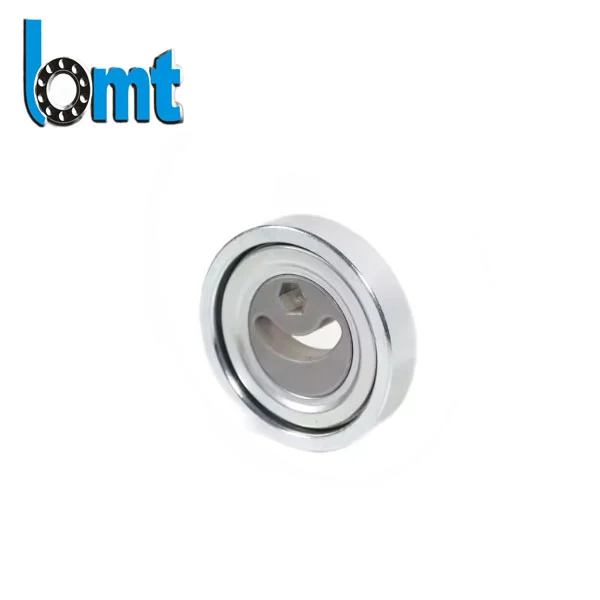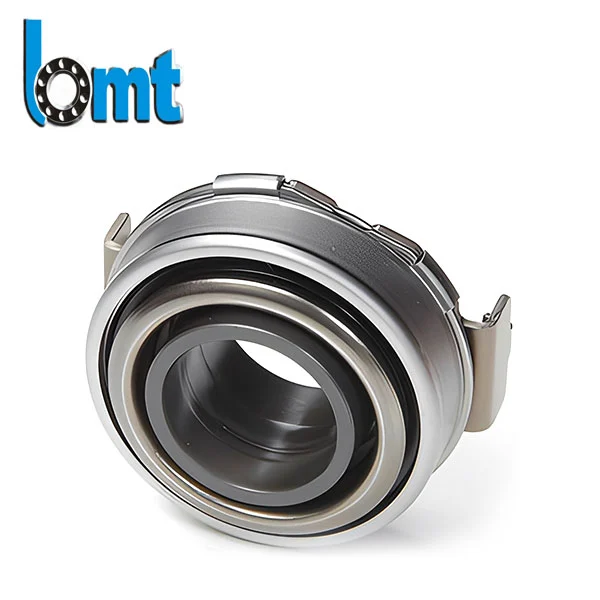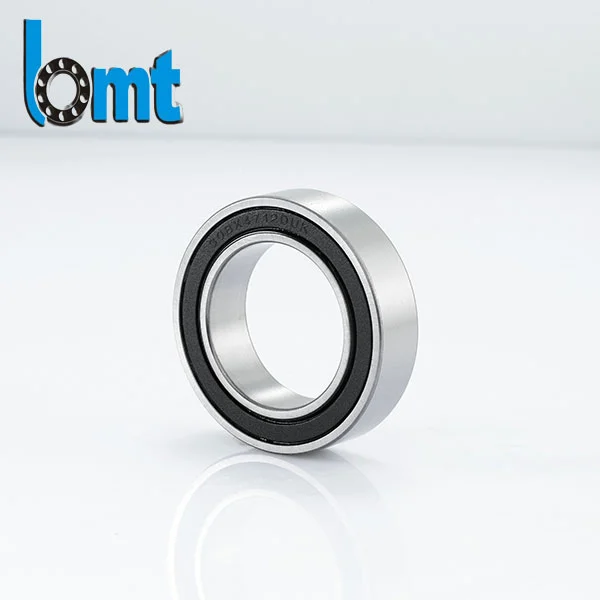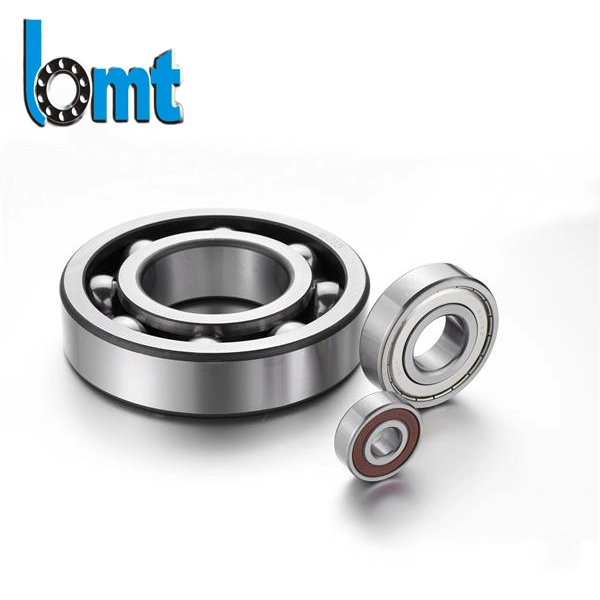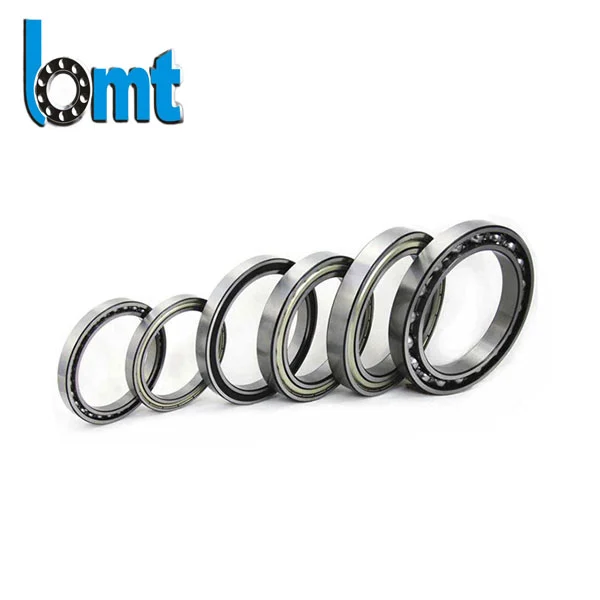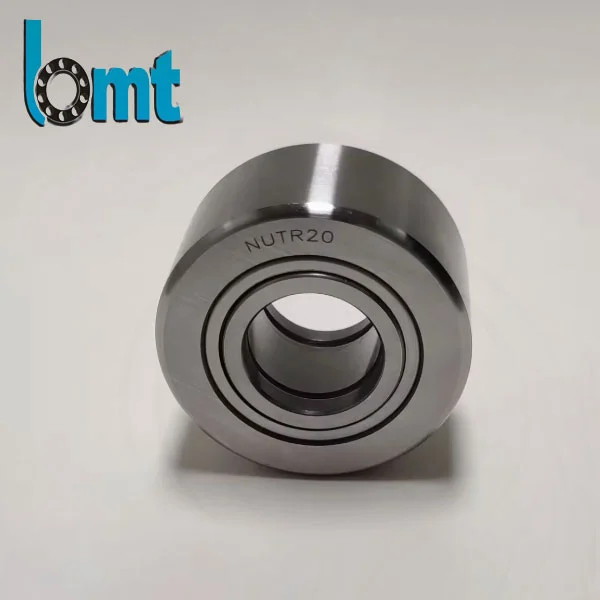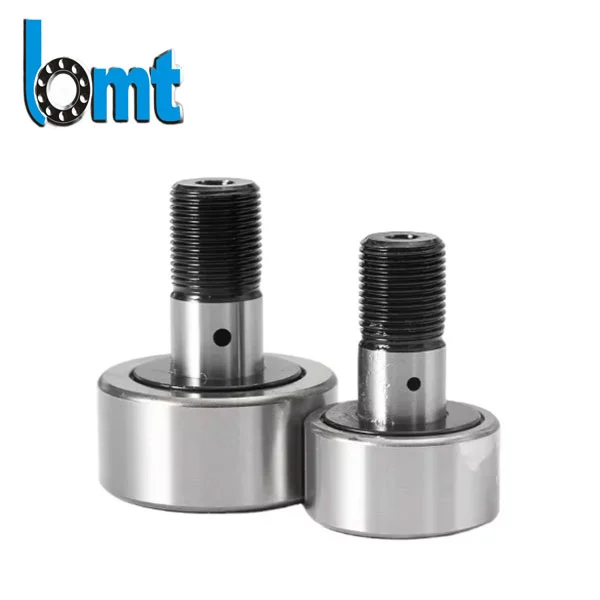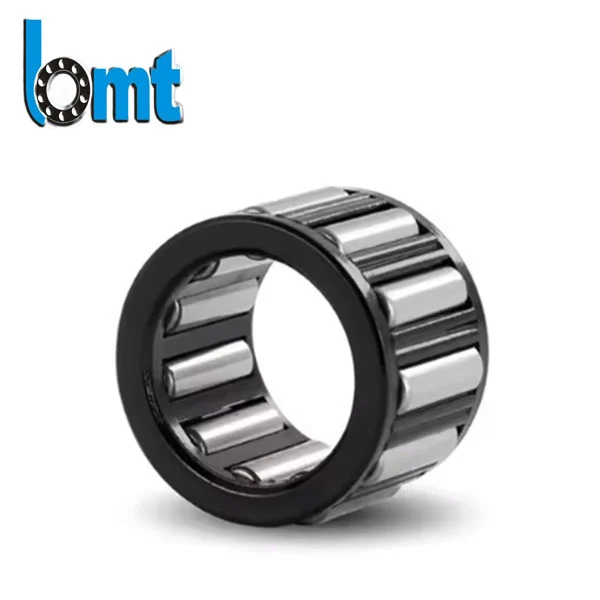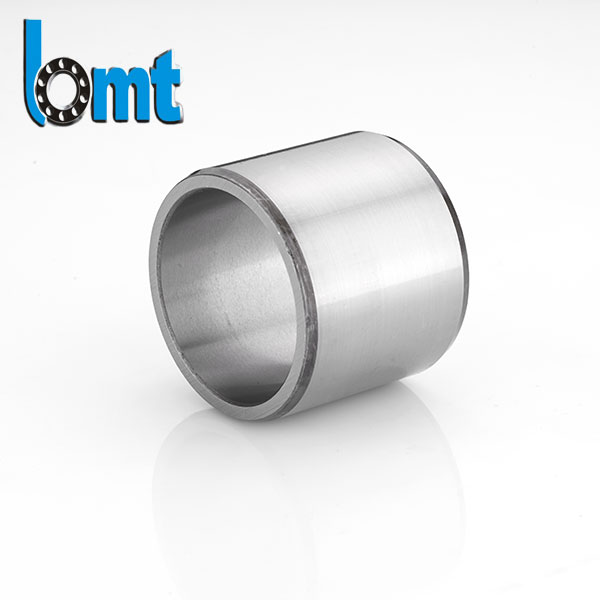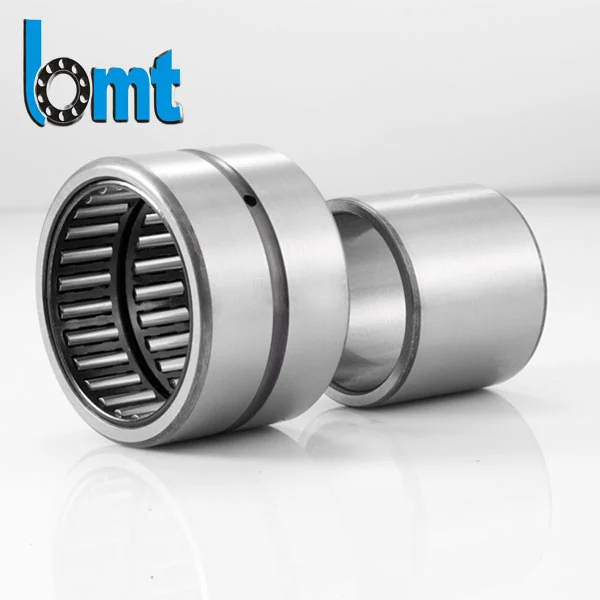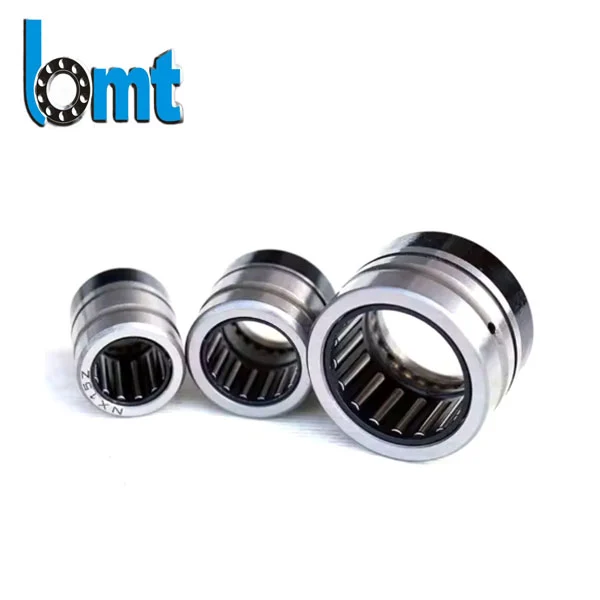
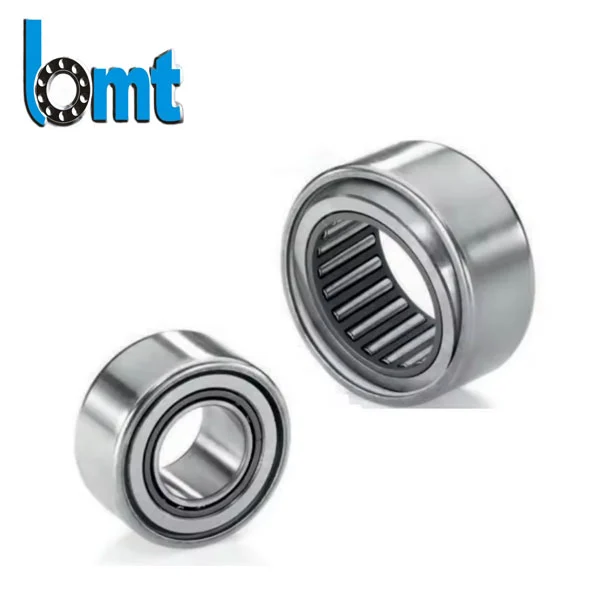
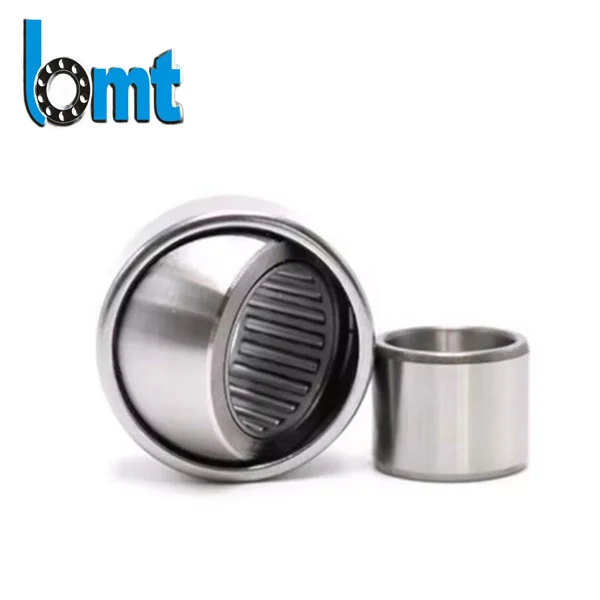
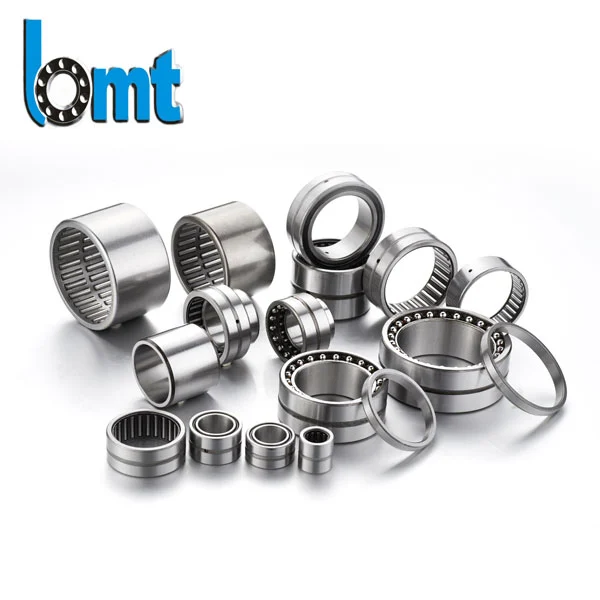
Aligning Needle Roller Bearings combine the compact cross-section of needle roller bearings with an aligning structure intended to accommodate minor alignment deviations between the shaft and housing. This is useful in machinery where installation tolerances, shaft deflection, housing deformation, or continuous vibration may affect the running condition of a conventional bearing arrangement.
The needle roller design provides a relatively large number of rolling elements within a compact radial space, making this bearing type suitable when designers need to maintain a smaller housing size without giving up radial load capacity. The PNA and RPNA models in the BMT range cover different shaft and needle roller bore arrangements, giving equipment manufacturers more options when matching the bearing to the shaft and housing design.
For bearing selection, dimensions alone are not enough. Radial load, rotational speed, shaft condition, housing accuracy, available installation space, and the amount of expected misalignment should be evaluated together. BMT supports customers in checking these factors when selecting a bearing for a new machine or replacing an existing component.
|
Designation |
Bore Diameter (mm) |
Needle Roller Bore (mm) |
Outer Diameter (mm) |
Width (mm) |
Dynamic Load Rating (kN) |
Limiting Speed (r/min) |
|
PNA 17/35 |
17 |
- |
35 |
16 |
13.2 |
22,000 |
|
PNA 25/47 |
25 |
- |
47 |
20 |
22.9 |
15,000 |
|
PNA 30/52 |
30 |
- |
52 |
20 |
24.6 |
13,000 |
|
RPNA 15/28 |
- |
15 |
28 |
12 |
7.37 |
28,000 |
|
RPNA 20/35 |
- |
20 |
35 |
16 |
13.2 |
22,000 |
|
PNA 22/44 |
22 |
- |
44 |
20 |
22 |
16,000 |
|
PNA 35/55 |
35 |
- |
55 |
20 |
26.4 |
11,000 |
|
PNA 40/62 |
40 |
- |
62 |
20 |
27.5 |
10,000 |
|
RPNA 25/42 |
- |
25 |
42 |
20 |
19 |
18,000 |
|
RPNA 30/47 |
- |
30 |
47 |
20 |
22.9 |
15,000 |
|
PNA 20/42 |
20 |
- |
42 |
20 |
19 |
18,000 |
|
RPNA 35/52 |
- |
35 |
52 |
20 |
24.6 |
13,000 |
|
RPNA 40/55 |
- |
40 |
55 |
20 |
26.4 |
11,000 |
|
RPNA 45/62 |
- |
45 |
62 |
20 |
27.5 |
10,000 |
|
PNA 12/28 |
12 |
- |
28 |
12 |
7.37 |
28,000 |
|
PNA 15/32 |
15 |
- |
32 |
16 |
12.8 |
24,000 |
|
RPNA 18/32 |
- |
18 |
32 |
16 |
12.8 |
24,000 |
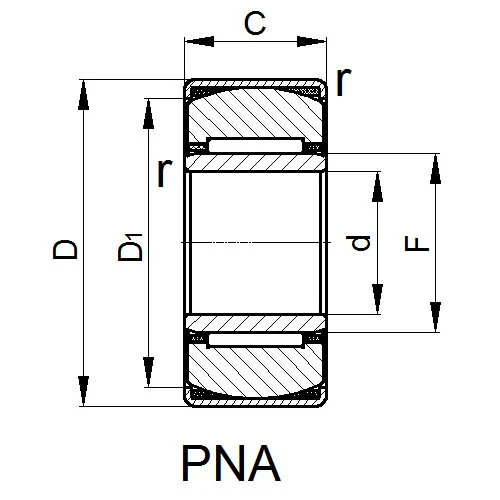
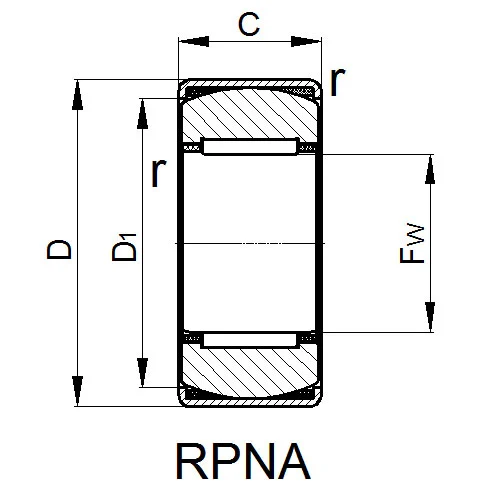
|
Typical Aligning Needle Roller Bearings Models |
Dimensions (mm) |
Basic Load Ratings (kN) |
Application Scenarios |
|
RPNA 15/28 |
Fw=15, D=28, C=12±0.5, D1=24.5, r min.=0.8 |
dyn. Cr=6.9, stat. Cor=7.9 |
Small gearboxes, pumps |
|
RPNA 18/32 |
Fw=18, D=32, C=16±0.5, D1=27, r min.=1.8 |
dyn. Cr=12.5, stat. Cor=16.2 |
Textile machinery, conveyors |
|
RPNA 20/35 |
Fw=20, D=35, C=16±0.5, D1=30.5, r min.=2.8 |
dyn. Cr=13, stat. Cor=17.5 |
Agricultural equipment |
|
RPNA 25/42 |
Fw=25, D=42, C=20±0.5, D1=36.5, r min.=3.8 |
dyn. Cr=18.8, stat. Cor=30.5 |
Machine tools, compressors |
|
RPNA 28/44 |
Fw=28, D=44, C=20±0.5, D1=38.5, r min.=4.8 |
dyn. Cr=22, stat. Cor=34 |
Printing presses |
|
RPNA 30/47 |
Fw=30, D=47, C=20±0.5, D1=42, r min.=5.8 |
dyn. Cr=22.6, stat. Cor=36 |
Fans, blowers |
|
RPNA 35/52 |
Fw=35, D=52, C=20±0.5, D1=47.5, r min.=6.8 |
dyn. Cr=24.3, stat. Cor=41.5 |
Construction machinery |
|
RPNA 40/55 |
Fw=40, D=55, C=20±0.5, D1=50.5, r min.=7.8 |
dyn. Cr=26, stat. Cor=47 |
Material handling systems |
|
RPNA 45/62 |
Fw=45, D=62, C=20±0.5, D1=58, r min.=8.8 |
dyn. Cr=27.5, stat. Cor=53 |
Heavy-duty conveyors |
|
PNA 12/28 |
d=12, F=15, D=28, C=12±0.5, B=12, D1=24.5, r min.=0.8, r1 min.=0.3, s min.=0.5 |
dyn. Cr=6.9, stat. Cor=7.9 |
Small motors, precision tools |
|
PNA 15/32 |
d=15, F=18, D=32, C=16±0.5, B=16, D1=27, r min.=0.8, r1 min.=0.3, s min.=0.5 |
dyn. Cr=12.5, stat. Cor=16.2 |
Textile spindles |
|
PNA 17/35 |
d=17, F=20, D=35, C=16±0.5, B=16, D1=30.5, r min.=0.8, r1 min.=0.3, s min.=0.5 |
dyn. Cr=13, stat. Cor=17.5 |
Packaging machines |
|
PNA 20/42 |
d=20, F=25, D=42, C=20±0.5, B=20, D1=36.5, r min.=0.8, r1 min.=0.3, s min.=0.5 |
dyn. Cr=18.8, stat. Cor=30.5 |
Automobile accessories |
|
PNA 22/44 |
d=22, F=28, D=44, C=20±0.5, B=20, D1=38.5, r min.=0.8, r1 min.=0.3, s min.=0.5 |
dyn. Cr=22, stat. Cor=34 |
Hydraulic pumps |
|
PNA 25/47 |
d=25, F=30, D=47, C=20±0.5, B=20, D1=42, r min.=0.8, r1 min.=0.3, s min.=0.5 |
dyn. Cr=22.6, stat. Cor=36 |
Pneumatic tools |
|
PNA 30/52 |
d=30, F=35, D=52, C=20±0.5, B=20, D1=47.5, r min.=0.8, r1 min.=0.3, s min.=0.5 |
dyn. Cr=24.3, stat. Cor=41.5 |
Mining equipment |
|
PNA 35/55 |
d=35, F=40, D=55, C=20±0.5, B=20, D1=50.5, r min.=0.8, r1 min.=0.3, s min.=0.5 |
dyn. Cr=26, stat. Cor=47 |
Marine auxiliary systems |
|
PNA 40/62 |
d=40, F=45, D=62, C=20±0.5, B=20, D1=58, r min.=0.8, r1 min.=0.3, s min.=0.5 |
dyn. Cr=27.5, stat. Cor=53 |
Industrial mixers |
Shaft and housing alignment can change during installation, prolonged operation, vibration, or mechanical deformation. An aligning needle roller bearing is intended to accommodate limited alignment deviation within its designed operating range, helping avoid concentrated contact caused by small installation or shaft alignment errors.
This feature is useful when the mechanical structure cannot maintain perfect alignment throughout its service life. However, the bearing should not be treated as a solution for large shaft misalignment; the actual permissible condition must be considered when selecting the bearing and designing the surrounding components.
Needle rollers provide a larger number of rolling contacts within a relatively compact radial section. This makes the bearing suitable for applications where the designer needs to control the overall dimensions of the bearing housing while still handling substantial radial loads.
The BMT range includes dynamic radial load ratings from 6.9 kN to 27.5 kN in the detailed models listed above, giving engineers different capacity options for compact mechanical assemblies.
The listed models cover limiting speeds from 10,000 r/min to 28,000 r/min. The correct speed limit depends on the specific bearing model and operating conditions, so it should not be assumed that the highest value applies to the entire product family.
For equipment with continuous high-speed rotation, bearing speed, lubrication, shaft condition, heat generation, and mounting accuracy should be considered together during selection.
The compact structure of these bearings makes them useful in gearboxes, reducers, pumps, and other rotating mechanisms where radial load support is required without significantly increasing housing size. The RPNA models provide a range of bore and outside diameter combinations for different shaft arrangements.
Textile spindles, packaging equipment, printing presses, conveyors, fans, and blowers often combine compact installation requirements with continuous rotation. The corresponding PNA and RPNA models offer different dimensions, load ratings, and speed limits for these machine designs.
Construction machinery, agricultural equipment, mining equipment, material handling systems, industrial mixers, and marine auxiliary systems can generate variable radial loading and operating vibration. In these applications, bearing selection should be based on the real load spectrum and installation arrangement rather than on nominal dimensions alone.
BMT Bearings began operations in 2004 and has developed its bearing business through manufacturing expansion, product development, and international supply. The company has experience producing both ball bearings and roller bearings and began developing non-standard bearing products in 2005.
Annual production increased from approximately 5 million pieces in 2004 to more than 20 million in 2007, 30 million in 2008, 50 million in 2012, and 100 million pieces in 2024. This production history gives BMT a substantial manufacturing base for both standard bearing products and OEM requirements.
BMT operates approximately 100 automatic grinding production lines together with automatic assembly lines. The production system is supported by measuring and testing equipment used to control product dimensions and manufacturing consistency.
For customers purchasing bearings on a recurring basis, manufacturing capacity is important because the bearing specification needs to remain consistent as order quantities increase. BMT's current annual production capacity is approximately 100 million sets.
BMT has been assessed and registered under ISO9001 and IATF 16949:2016 quality management systems. Standardized procedures are applied from material storage through processing, assembly, measurement, and finished-product inspection.
The company also uses EMQ quality standards on selected production lines for applications where running smoothness and controlled noise performance are important.
Machine designers may encounter shaft dimensions, housing arrangements, installation tolerances, or application conditions that do not match a standard catalog bearing. BMT has experience in non-standard bearing development and can evaluate drawings and technical requirements for customized projects.
Customization should be based on the complete application rather than changing a single dimension in isolation. Shaft geometry, housing fit, load conditions, speed, lubrication, and installation environment all need to be considered together.
When contacting BMT, customers can provide the existing bearing designation, shaft diameter, housing dimensions, radial load, rotational speed, operating environment, and available installation space. An equipment drawing or existing bearing sample can also help the engineering team identify a suitable model or evaluate a non-standard requirement.
BMT applies dimensional measurement, material and hardness verification, raceway inspection, and running-performance checks as part of its bearing manufacturing and quality-control processes. Inspection requirements can be matched to the product and customer specification.
This approach is particularly important for OEM and distributor customers who need consistency across repeated production batches rather than one-time sample performance.
BMT supplies ball and roller bearings to domestic and international customers and has experience supporting OEM manufacturers and industrial distributors. Its manufacturing capacity, quality systems, and product-development experience provide a foundation for recurring orders and customized bearing projects.
BMT combines more than 20 years of bearing manufacturing experience with automated grinding and assembly capability, non-standard bearing development, and established quality management systems. For Aligning Needle Roller Bearings, the key purchasing decision is whether the bearing structure, dimensions, radial load rating, speed, and alignment requirements match the machine.
With multiple PNA and RPNA models available, BMT can support both standard bearing selection and customized OEM requirements. Customers can send the required dimensions, load conditions, operating speed, or drawings to evaluate the appropriate bearing configuration before placing an order.
Aligning Needle Roller Bearings combine a needle roller bearing structure with an aligning function designed to accommodate minor shaft or housing misalignment. They are suitable for compact mechanical assemblies that require radial load support while allowing limited alignment deviation during operation.
These bearings are used in applications including gearboxes, pumps, textile machinery, conveyors, machine tools, compressors, printing presses, fans, blowers, agricultural equipment, construction machinery, packaging machines, hydraulic pumps, and industrial mixers. The exact model should be selected according to shaft dimensions, radial load, rotational speed, and installation conditions.
The main advantage is its ability to accommodate limited alignment errors while maintaining a compact radial structure. This can be useful when shaft deflection, mounting tolerances, housing deformation, or vibration may otherwise create uneven bearing loading.
The allowable misalignment depends on the specific bearing design, mounting arrangement, shaft geometry, and operating conditions. Aligning needle roller bearings are intended for minor alignment deviations rather than large shaft misalignment. BMT recommends evaluating the actual machine structure and operating conditions before specifying the bearing.
PNA and RPNA models use different bearing configurations and dimensional arrangements. The PNA models in the listed range include a specified bore diameter, while RPNA models are identified by the needle roller bore specification. The appropriate series depends on the shaft and housing arrangement of the equipment, so the designation should be checked together with the detailed dimensions.
The listed BMT models include PNA sizes from PNA 12/28 to PNA 40/62 and RPNA sizes from RPNA 15/28 to RPNA 45/62. The detailed specifications cover different bore or needle roller bore dimensions, outside diameters, widths, radial load ratings, and limiting speeds.
Address
No.183,Longfeng,West of Zhangting industrial Zone,Yuyao,Ningbo,China
Tel