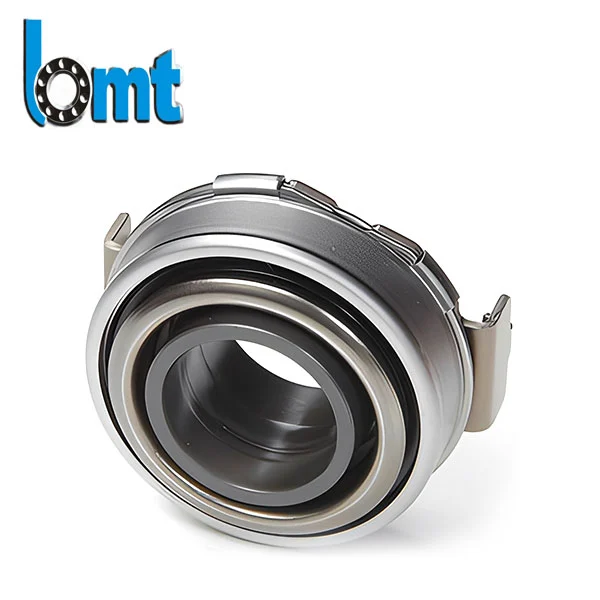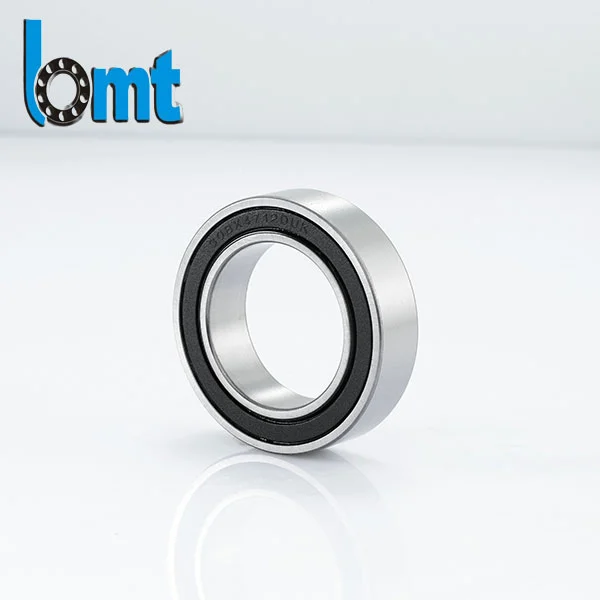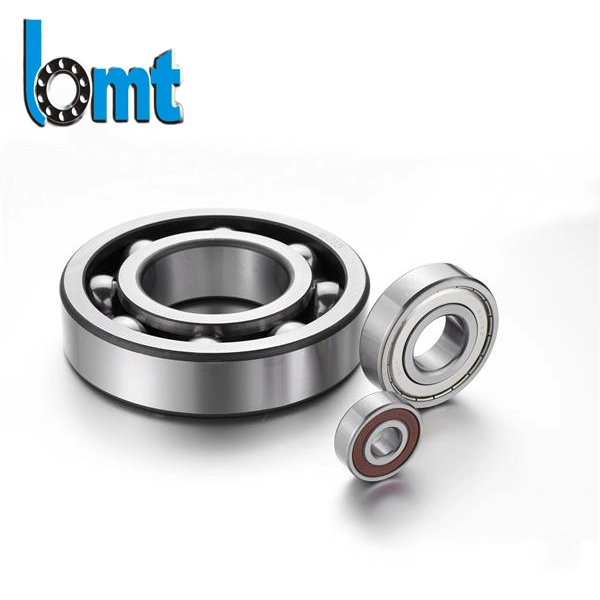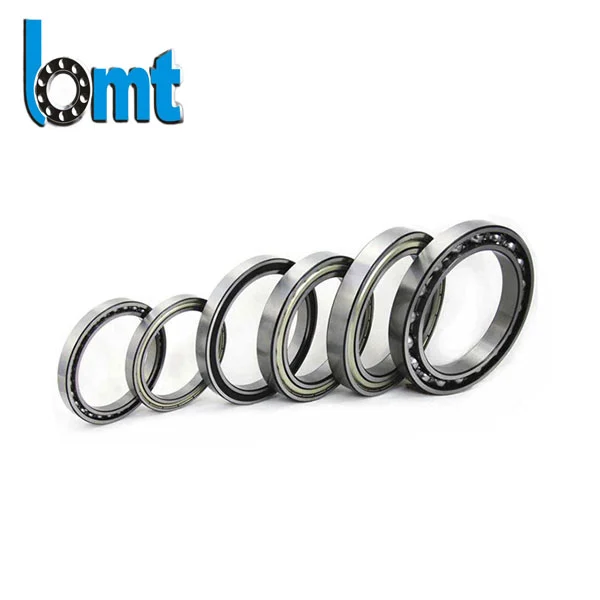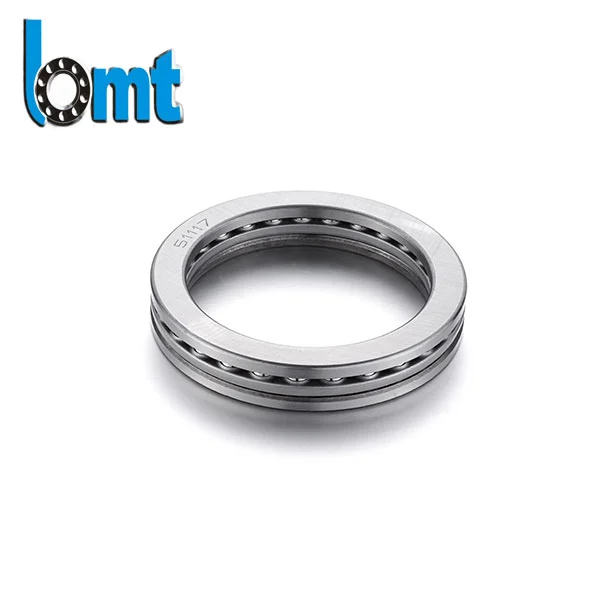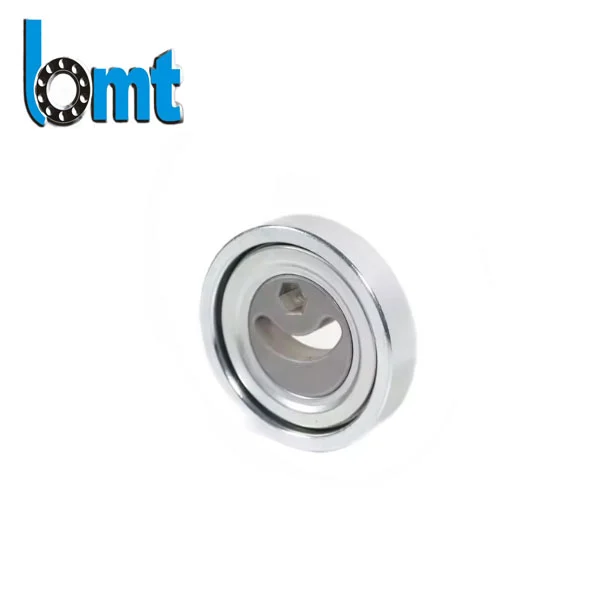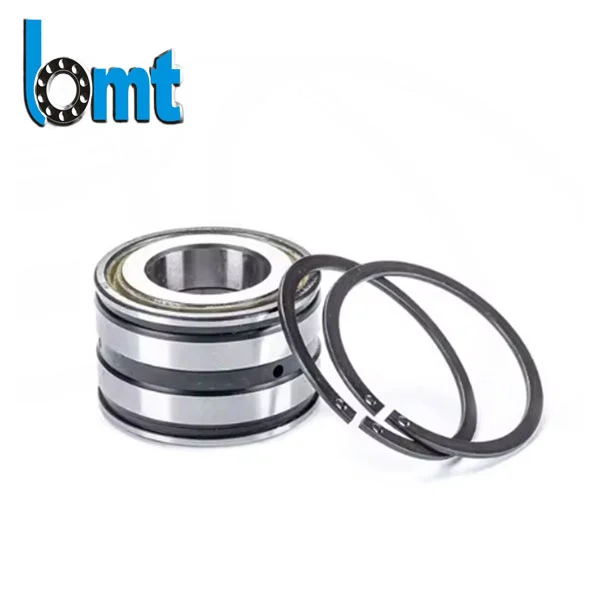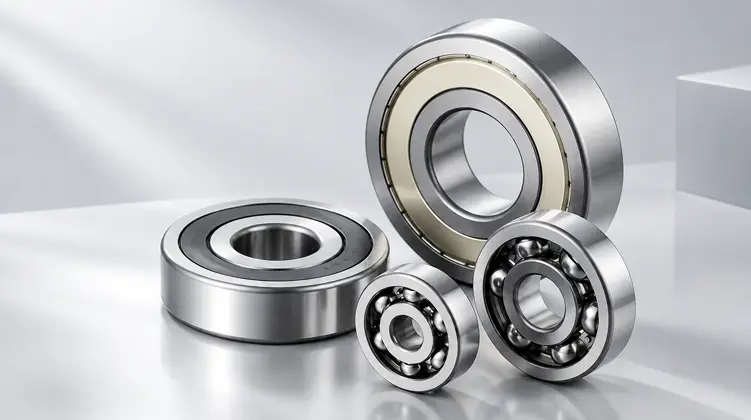
BMT manufactures special material bearings for applications where conventional chrome steel bearings may not provide sufficient corrosion resistance, temperature capability, electrical insulation, cleanliness, or chemical compatibility. Depending on the operating environment, BMT can configure bearings using ceramic, stainless steel, PEEK and other specialized materials for demanding industrial applications.
With bearing manufacturing experience dating back to 2004, BMT combines material selection, precision machining, automated assembly and inspection to produce special material bearings for OEM equipment and specialized machinery.
Special material bearings are rolling bearings manufactured with materials selected for specific operating conditions rather than relying solely on conventional bearing steel.
Compared with standard chrome steel bearings, special material constructions can provide advantages in environments involving corrosive chemicals, moisture, high or low temperatures, vacuum, electrical currents, magnetic fields, cleanroom requirements or aggressive washdown conditions.
Depending on the application, BMT can manufacture or configure bearings using:
The final bearing material, raceway design, cage material, seals and lubrication should be selected according to load, speed, temperature, chemical exposure, cleanliness and mounting conditions.
BMT can supply different bearing constructions depending on the operating environment.
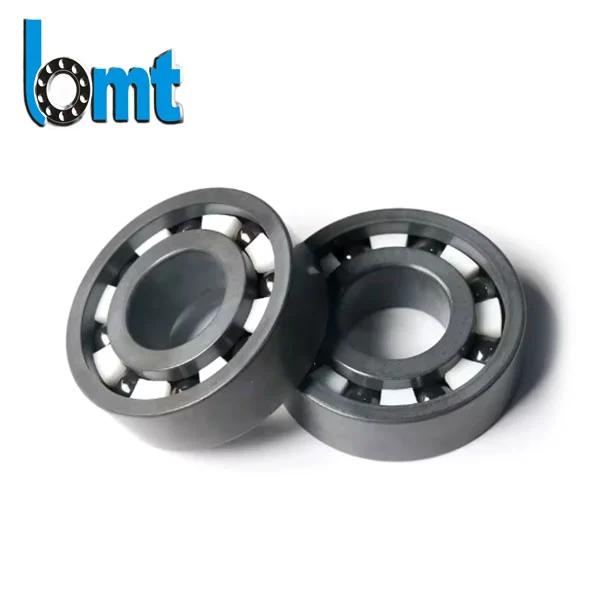
Full ceramic bearings use ceramic rings and rolling elements. They are suitable for applications requiring high corrosion resistance, electrical insulation, non-magnetic properties or operation in selected high-temperature and vacuum environments. Common ceramic materials include silicon nitride and zirconia.
Hybrid bearings normally combine steel rings with ceramic balls. This construction provides a practical balance between the mechanical strength of steel rings and the low density, electrical insulation and high-speed characteristics of ceramic rolling elements.
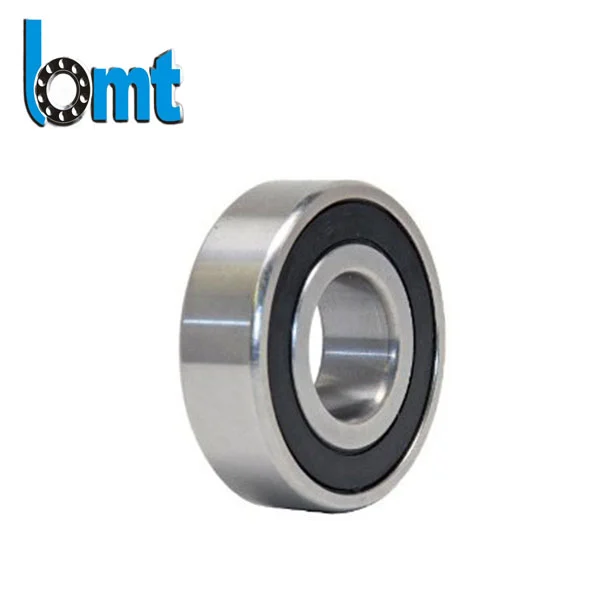
Stainless steel bearings are designed for applications where resistance to moisture, cleaning agents, chemicals or other corrosive environments is more important than the performance of conventional bearing steel. Material selection should be matched to the actual chemical concentration, temperature and exposure time.
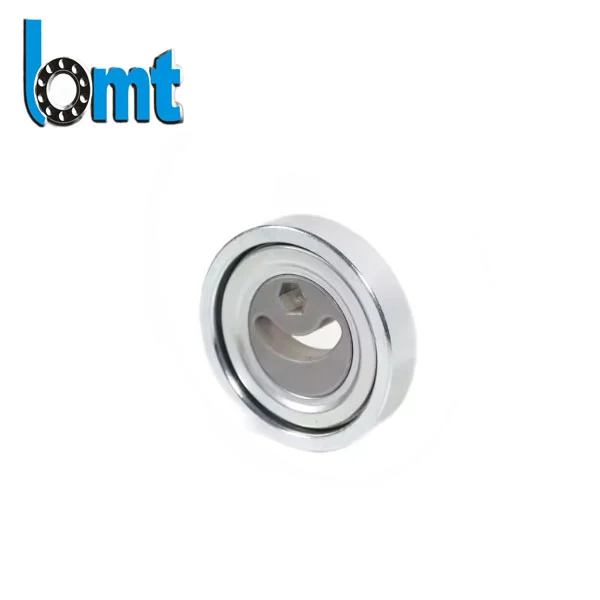
PEEK bearings provide a lightweight and corrosion-resistant alternative for selected applications. Their low density and chemical resistance make them useful in applications such as cleanroom equipment, food-processing machinery, laboratory equipment and specialized material-handling systems.
Stainless steel, ceramic and selected polymer materials can provide substantially better resistance to moisture and corrosive media than conventional bearing steel. This makes special material bearings suitable for chemical processing, food equipment, laboratory machinery, marine equipment and other demanding environments.
Ceramic, stainless steel and polymer materials have different temperature limits. BMT selects the bearing material, cage and lubrication system according to the actual operating temperature rather than applying a single temperature rating to all bearings.
Ceramic rolling elements are electrically insulating. Hybrid ceramic bearings can therefore be considered for electric motors, generators and other equipment where electrical current through the bearing may cause premature damage.
Ceramic materials are non-magnetic, making full ceramic or appropriately configured hybrid bearings suitable for selected equipment where magnetic interference must be minimized.
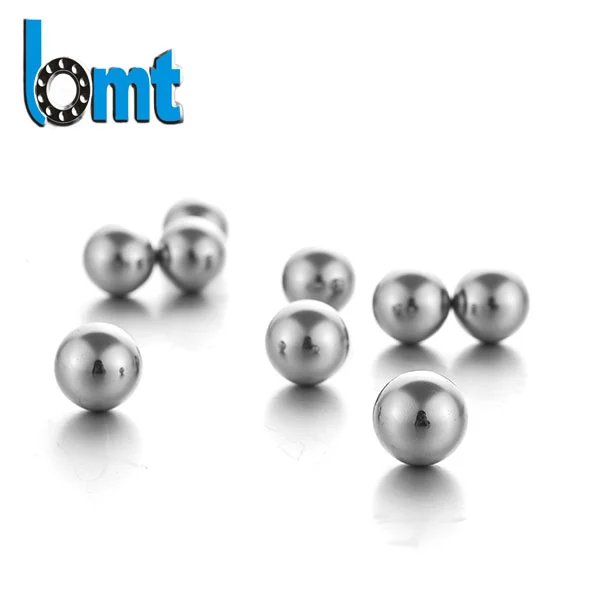
Silicon nitride ceramic balls have lower density than steel balls. In suitable high-speed applications, their lower centrifugal forces can help reduce friction and improve high-speed bearing performance.
Special material bearings can be configured for applications where conventional lubricants, corrosion-prone materials or particle generation are undesirable. Cleanroom, vacuum and food-processing applications require careful selection of the cage, lubricant, seals and other bearing components in addition to the rolling-element material.
| Material | Main Characteristics | Typical Applications |
|---|---|---|
| Silicon Nitride Ceramic | Lightweight, hard, electrically insulating, high-speed capability | Machine tools, aerospace-related equipment, electric motors |
| Zirconia Ceramic | Corrosion resistant, non-magnetic, electrically insulating | Chemical equipment, food machinery, laboratory equipment |
| 440C Stainless Steel | Hardenable, corrosion resistant, good mechanical strength | Medical equipment, marine and specialized machinery |
| 316 Stainless Steel | Excellent corrosion resistance, non-hardenable | Chemical, pharmaceutical and wet environments |
| PEEK | Lightweight, chemical resistant, low electrical conductivity | Cleanroom equipment, food machinery, specialized material handling |
| Titanium Alloy | Lightweight and corrosion resistant | Aerospace-related, marine and specialized equipment |
Note: Material properties and allowable operating conditions depend on the specific bearing design, material grade, cage, seals, lubricant, load and operating environment. Contact BMT for model-specific specifications.
Special material constructions can be applied to different bearing designs depending on the application.
| Bearing Type | Typical Load | Special Material Applications |
|---|---|---|
| Deep Groove Ball Bearings | Radial and limited axial loads | Electric motors, pumps, clean equipment |
| Angular Contact Ball Bearings | Combined radial and axial loads | High-speed spindles and precision machinery |
| Cylindrical Roller Bearings | High radial loads | Industrial machinery and high-load equipment |
| Self-Aligning Ball Bearings | Radial loads with alignment compensation | Machinery with shaft or housing misalignment |
The bearing type should be selected before material optimization. A corrosion-resistant material cannot compensate for an incorrectly selected bearing load capacity, internal clearance or speed rating.
Ceramic and hybrid ceramic bearings can be considered for selected aerospace-related mechanisms where low weight, high-speed capability, electrical insulation or corrosion resistance is required. Final bearing selection depends on the temperature, load, speed, lubrication and applicable equipment specifications.
PEEK and ceramic bearing configurations can be used in selected semiconductor and cleanroom machinery where corrosion resistance, low particle generation, electrical insulation or vacuum compatibility is required.
Non-magnetic ceramic materials and corrosion-resistant stainless steel can be used in selected medical, laboratory and diagnostic equipment. Material compatibility, sterilization conditions, load and lubrication requirements should be evaluated for each application.
Stainless steel, ceramic and selected polymer bearing configurations can be considered for food-processing machinery exposed to moisture, washdown procedures and cleaning chemicals.
Special material bearings are suitable for selected pumps and chemical-processing equipment where moisture and corrosive media can shorten the service life of conventional steel bearings.
Hybrid ceramic bearings can be used in selected electric motor and generator applications to provide electrical insulation and reduce the risk of electrical erosion caused by bearing currents.
BMT has been engaged in bearing manufacturing since 2004 and has developed experience in both standard and non-standard bearing production.
From material storage and machining through assembly and final inspection, BMT applies standardized production and quality-control procedures to maintain dimensional consistency and bearing performance.
For special material bearings, quality control is particularly important because material selection alone does not determine bearing life. Raceway accuracy, roundness, internal clearance, surface finish, cage design, lubrication and assembly quality all influence the final performance.
When replacing a conventional bearing with a special material version, BMT recommends evaluating the following parameters:
Identify exposure to water, chemicals, dust, vacuum, cleaning agents or other corrosive media.
Specify both continuous operating temperature and possible temperature peaks.
Provide radial load, axial load and any impact or vibration conditions.
Specify normal operating speed and maximum speed.
Determine whether electrical insulation or resistance to bearing-current damage is required.
Cleanroom, food-processing and vacuum applications may require special cages, lubricants or lubrication-free configurations.
Provide shaft diameter, housing dimensions, bearing width and mounting conditions.
Based on these parameters, BMT can recommend the appropriate bearing material, bearing construction, cage, seal and lubrication configuration.
What is the difference between special material bearings and standard steel bearings?
Standard bearings commonly use hardened bearing steel for the rings and rolling elements. they use ceramic, stainless steel, polymer or other specialized materials to address requirements such as corrosion resistance, electrical insulation, non-magnetic performance, chemical compatibility or specialized temperature conditions.
When should I choose a ceramic bearing instead of a stainless steel bearing?
Choose ceramic when properties such as electrical insulation, non-magnetic performance, low density or high-speed capability are important. Stainless steel is generally more appropriate when mechanical strength and corrosion resistance are the primary requirements. The correct choice depends on the complete operating condition.
Are hybrid ceramic bearings suitable for high-speed applications?
Yes, hybrid ceramic bearings are commonly considered for high-speed applications because ceramic balls have lower density than steel balls. However, maximum speed depends on bearing size, cage design, lubrication, preload, internal clearance and operating temperature.
What is the difference between hybrid ceramic and full ceramic bearings?
Hybrid bearings generally use steel rings with ceramic balls, while full ceramic bearings use ceramic rings and ceramic rolling elements. Hybrid designs provide a balance between ceramic rolling-element performance and the mechanical strength of steel rings. Full ceramic bearings are more suitable for applications requiring extensive corrosion resistance, electrical insulation or non-magnetic performance.
Can special material bearings operate without lubrication?
Some specialized ceramic or polymer bearing configurations can be designed for reduced-lubrication or dry-running applications. However, this is not a universal characteristic of all ceramic or PEEK bearings. Cage material, load, speed, temperature and bearing design must be evaluated before specifying lubrication-free operation.
Are PEEK bearings suitable for high loads?
PEEK bearings are lightweight and chemically resistant, but their load capacity and temperature capability differ significantly from hardened steel or ceramic bearings. They are generally selected for applications where chemical resistance, weight reduction or cleanliness is more important than very high load capacity.
Can BMT manufacture non-standard special material bearings?
Yes. BMT has experience in non-standard bearing development and can evaluate customized requirements involving bearing dimensions, materials, cages, seals, clearances and other design parameters according to the application.
What information should I provide for a special material bearing quotation?
For an accurate quotation and material recommendation, provide the bearing model or dimensions, shaft and housing size, radial and axial load, rotational speed, operating temperature, environment, lubrication requirements and expected service life. Drawings or existing bearing samples are also useful for non-standard applications.
How does BMT control the quality of special material bearings?
BMT uses automated grinding and assembly equipment together with measurement and inspection systems to control bearing manufacturing quality. The company operates under ISO 9001 and IATF 16949 quality management systems and applies standardized production controls from material storage through finished-bearing inspection.